-
Residence Virtual Tour
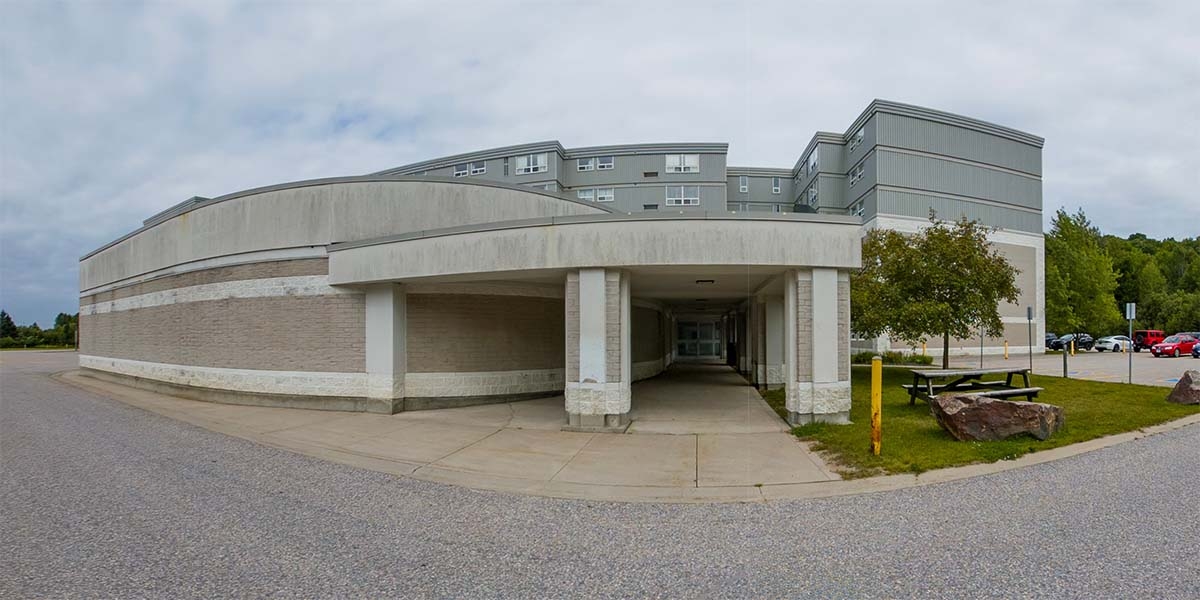
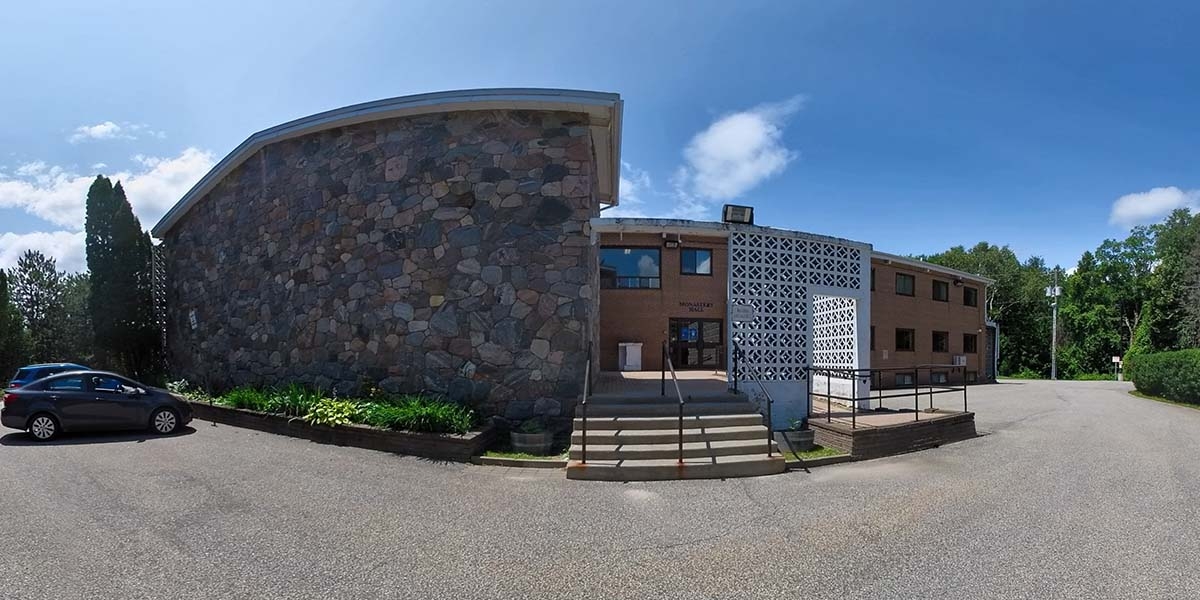
Chancellors House is one of two Nipissing University residences located at the bottom of College Dr. This residence building features suite-style rooms, which consist of four bedrooms and two bathrooms, as well as a common living area and full kitchen.
-
Virtual Tours

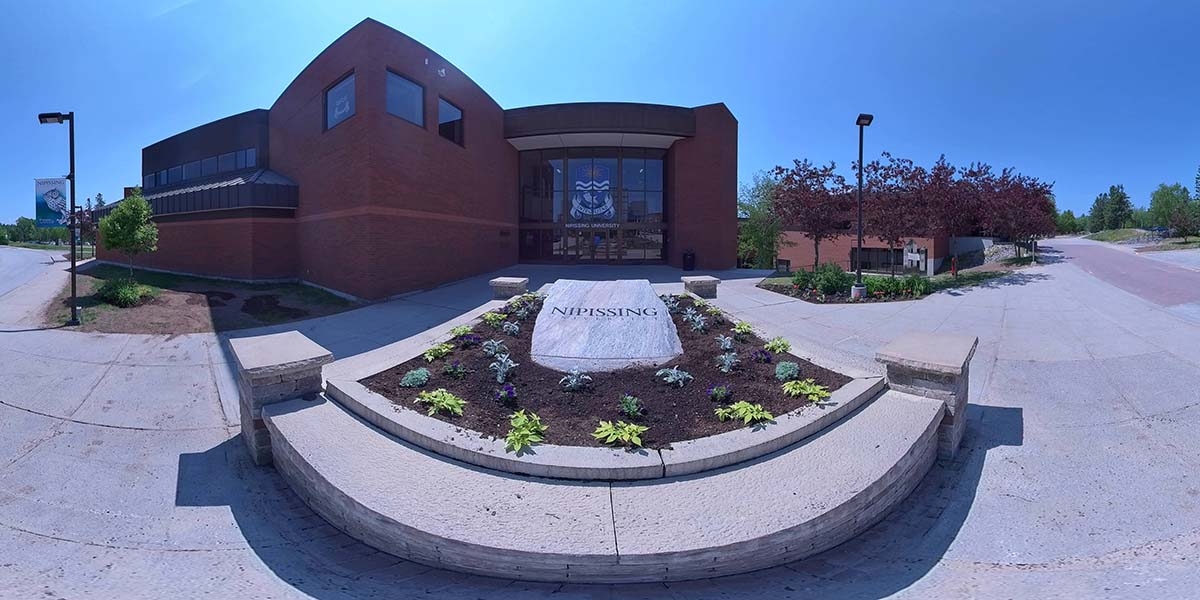
Virtual tours allow visitors to take self-guided, room-by-room tours of Nipissing University from their desktop or mobile device.
-
Your Pathway for Career Success

The Business Fundamentals Integrated Pathway (BFIP)
Welcome to the Business Fundamentals Integrated Pathway (BFIP), an innovative pathway that integrates an entirely online, one-year college certificate of Business Fundamentals into any university degree from any Northern Ontario university. BFIP is a collaboration between four universities and six colleges in Northern Ontario. If you are enrolled at one of the four northern universities, and you are interested, you may apply to any of the six northern colleges in order to complete the Business Fundamentals Certificate.
BFIP is designed to provide the flexibility and career preparation needed to succeed in today’s job market by integrating business skills to any degree. With flexible scheduling pathways and online offerings, you can balance learning all aspects of business with your current university degree, work, family, and other commitments.
With BFIP, you can gain a competitive edge when entering the workforce because our pathway provides a solid foundation in accounting, finance, human resources, marketing, and more. By choosing the Business Fundamentals Integrated Pathway, you can learn concepts on corporate sustainability, social responsibility and ethics, current technologies, basic research skills, basic accounting procedures and financial calculations, and marketing and sales concepts.
The pathway provides knowledge to succeed by teaching in-demand skills that apply to any industry. These skills can help you understand the different aspects of a business and how they work together, help you problem-solve, communicate effectively with others in any organization, and contribute to the success of a business that aligns with your degree.
Pursue your pathway for today’s job market with BFIP:
Get in touch with registrar@nipissingu.ca to learn more.The BFIP was funded by the Government of Ontario through the Ontario Council on Articulation and Transfer (ONCAT)
-
Arts and Science Post-Baccalaureate Diplomas
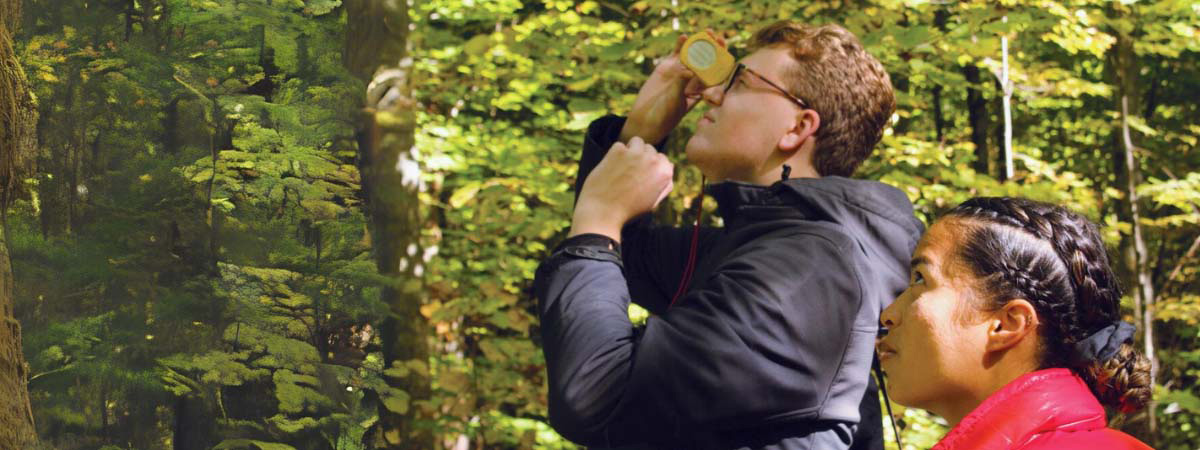


Nipissing University offers three Arts and Science Post-Baccalaureate Diplomas for international students who have already graduated with an undergraduate degree program from a recognized university.
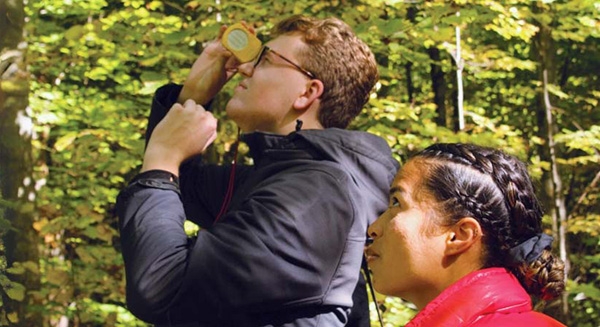
Environment and Sustainability
Build understanding of management of natural resources, how natural and social worlds intersect, and consider diverse perspectives on environmental issues.

Health and
Social ImpactAcquire foundational knowledge
and skills required to tackle key
challenges in health
and wellbeing
Artificial Intelligence and Machine Learning Applications
-
Research @ NU

Research isn't restricted to a science lab.
It happens in our schools, hospitals, and small businesses, with our local communities and with those in other continents. At its best, it asks questions that matter, seeks answers in a systematic way, and shares the results and solutions, so that we all can benefit.
Read on to discover the research happening at Nipissing University now. Get a taste of specific projects taking place and learn about our core areas of research strength.
Start with a question.
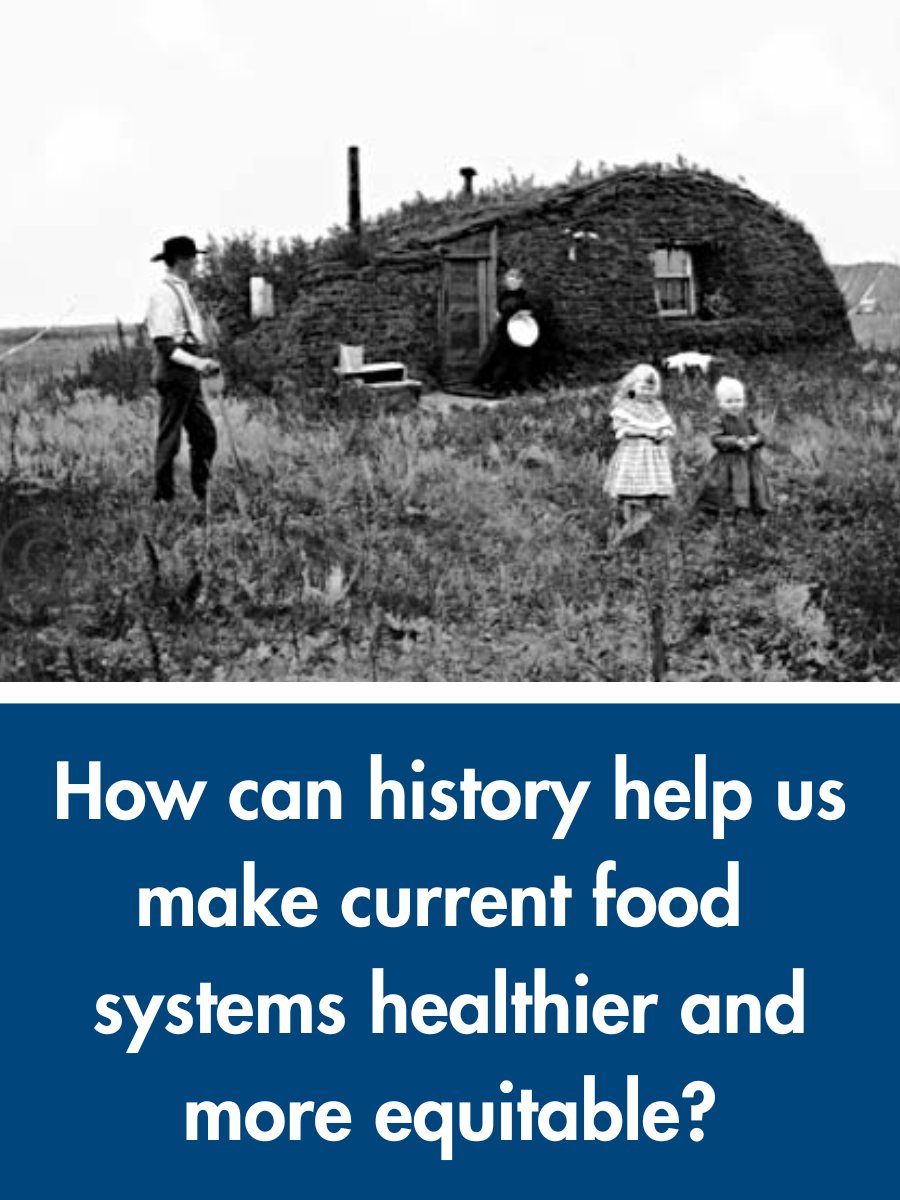
See what questions our researchers are asking about youth, society, and the environment.
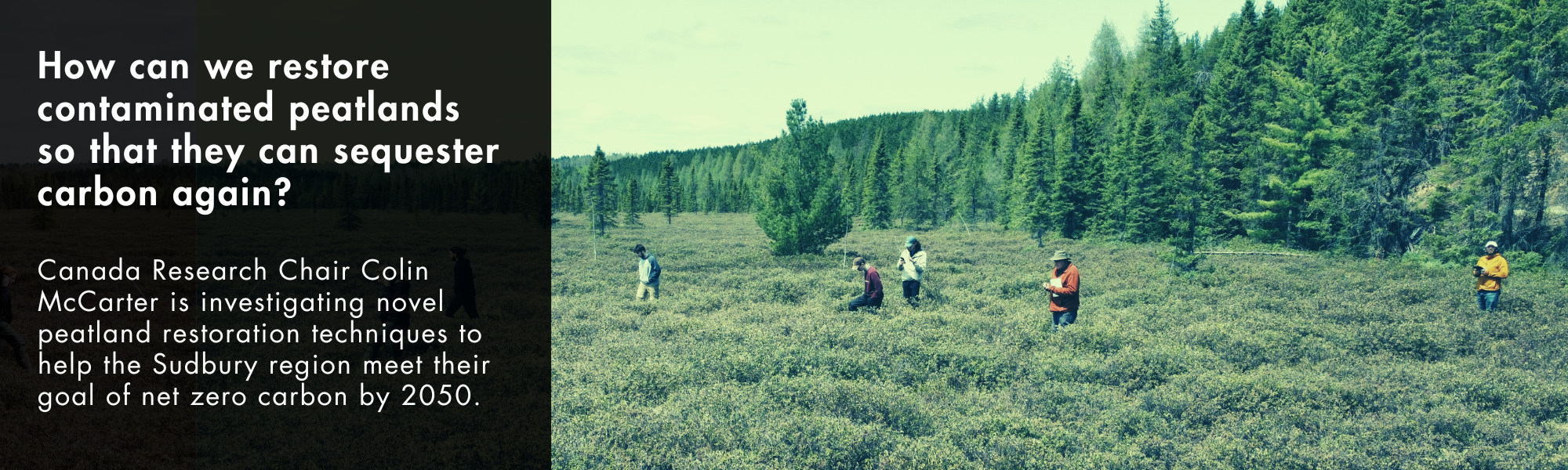
Find a solution.
Our researchers are tirelessly looking for solutions to some of the difficult issues we face as Canadians and global citizens: from chronic disease to refugee resettlement challenges.
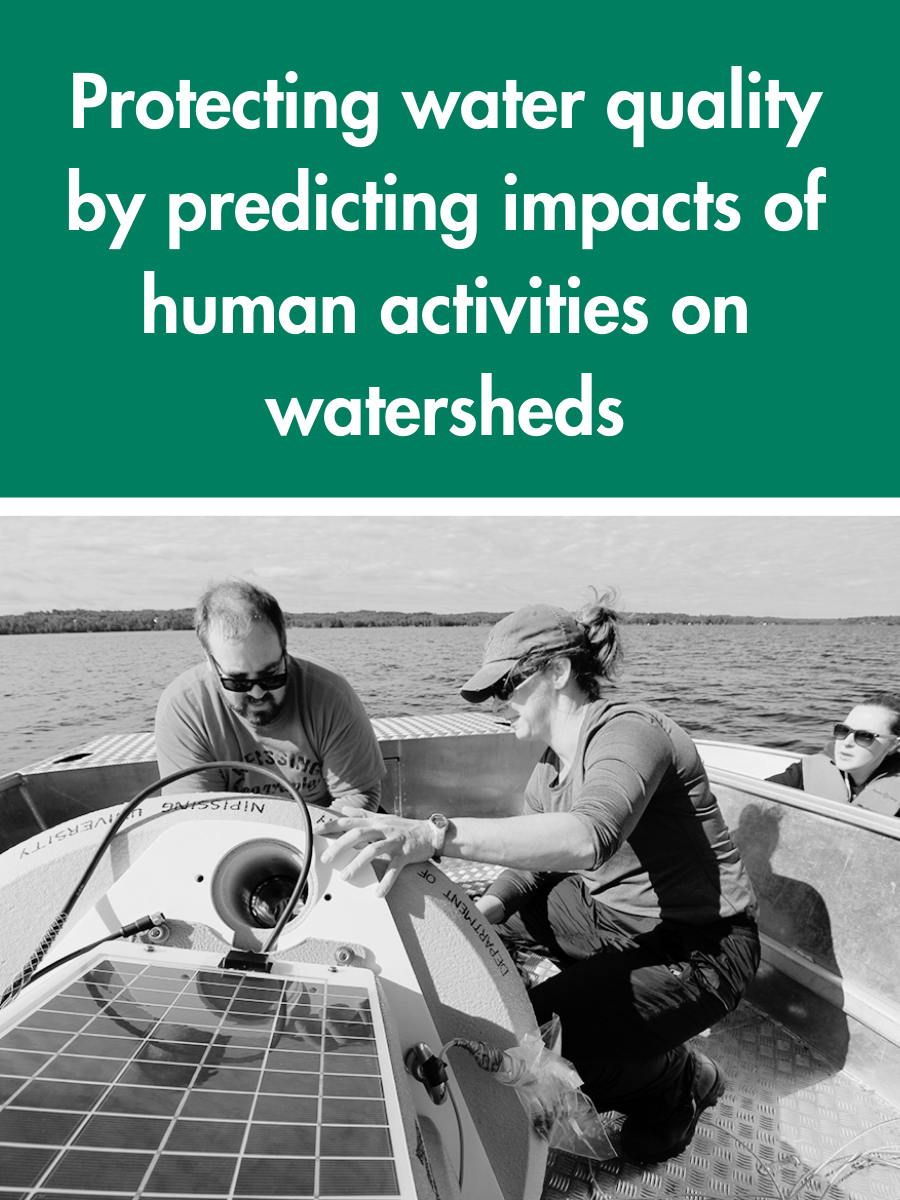
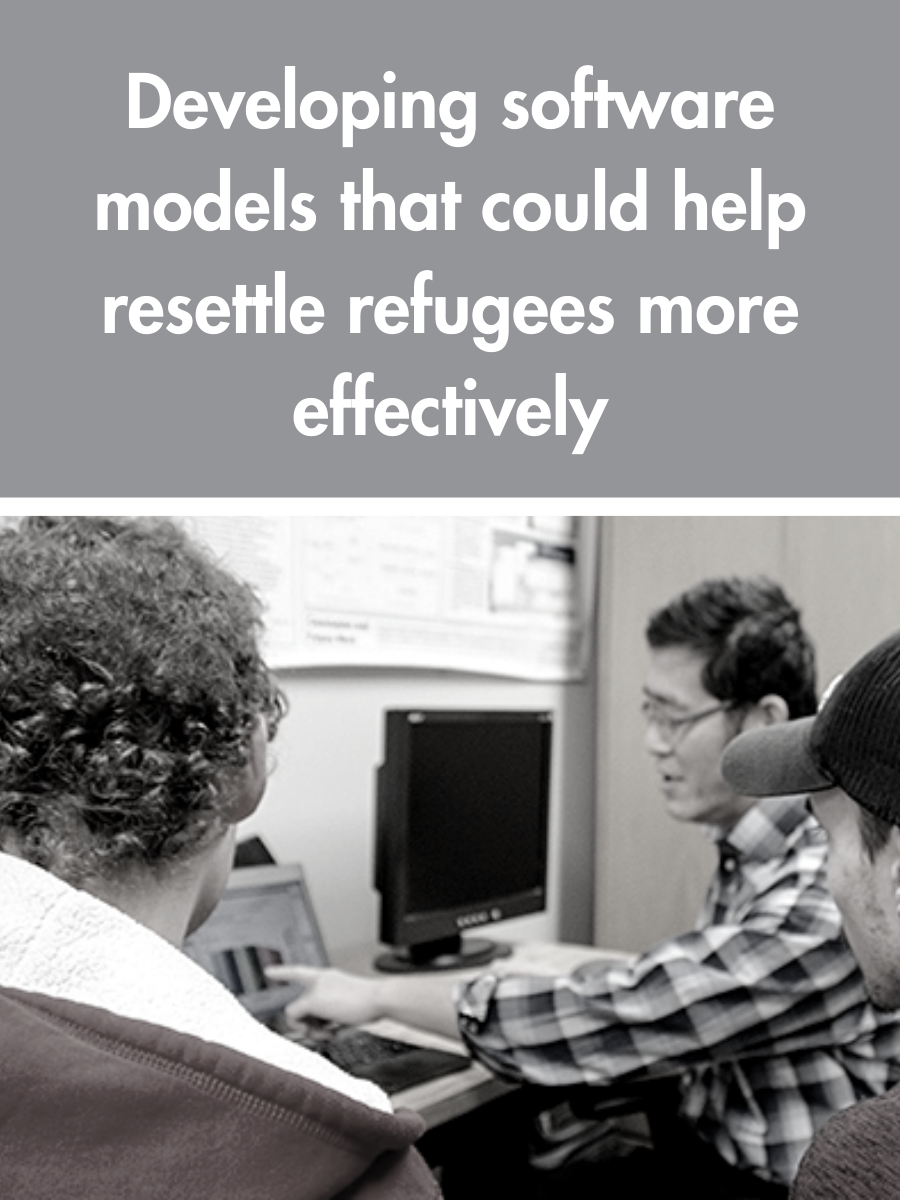
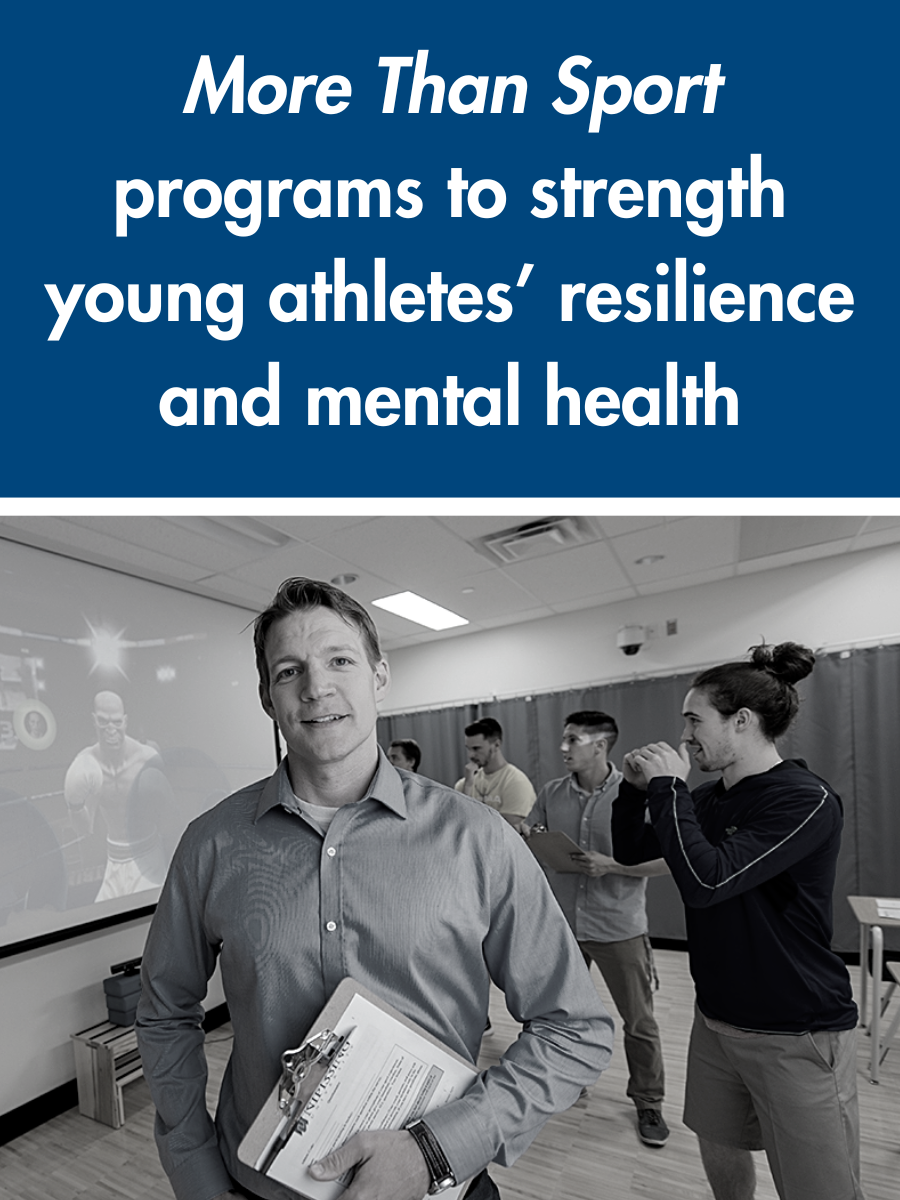
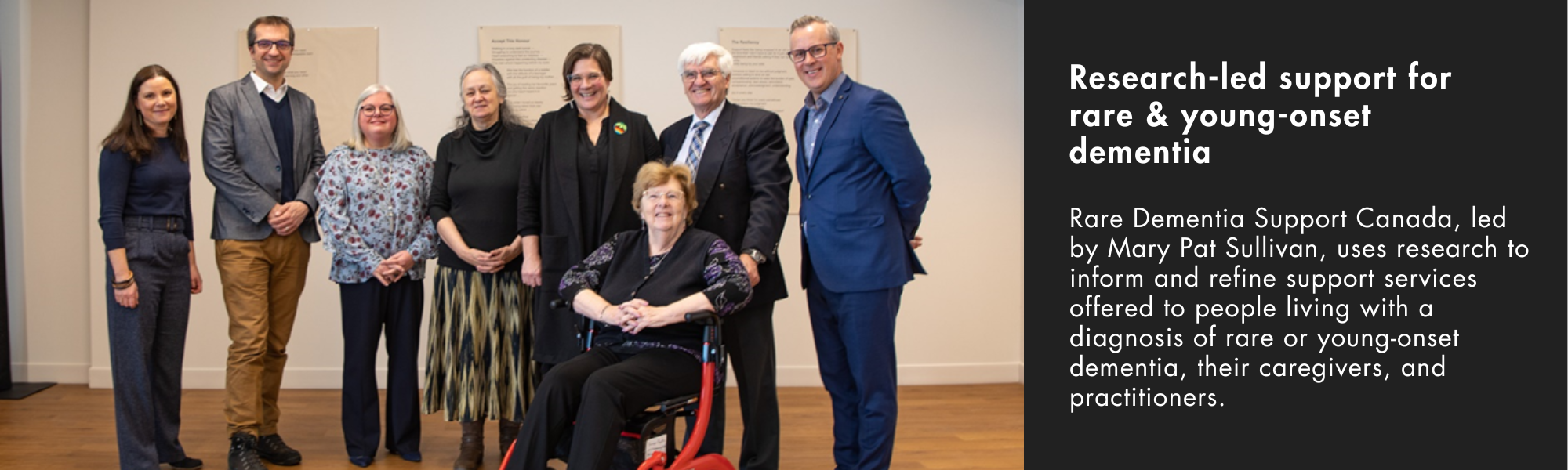
Discover our strengths.
Learn more about the areas of research where NU researchers shine.
Research & Innovation News
-
Accessibility Advisory Committee
Mandate of the Nipissing University Accessibility Advisory Committee (NUAAC)
To ensure the equitable access and inclusion of individuals with disabilities in all aspects of campus life, including education, facilities, technology, services, and others.
- Promote awareness and understanding of accessibility-related issues on campus.
- Advise and be involved in the development, implementation and monitoring of policies, procedures, and practices that enhance accessibility.
- Identify accessibility concerns, investigate, and respond appropriately.
- Foster a culture of inclusion by addressing barriers to accessibility.
- Ensure compliance with the Accessibility for Ontarians with Disabilities Act (AODA), and other applicable legislation.
- Collaborate with relevant stakeholders to identify and address accessibility challenges.
Committee Membership, January 2026
Angela Nicholls Manager, Student Accessibility Services Heather Hersemeyer Director, University Technology Services Jayden Martin NUSU Vice-President & Advocacy (Non-Voting) Julie Corkett Faculty of Education and Professional Studies Kayla Gorman Human Resources Administrator Kim Wood Manager, Digital Marketing Nancy Black Executive Director, Library Services Paul Ritter Marketing, Web Developer Robert Brownlee Joint Health & Safety Committee Representative Sarah Cantin Director, Student Wellness Terry Kirkby Manager, Contracts & Projects Traci Malkowski Human Resources & Equity Advisor (Chair) Trevor Holmes Director, Teaching and Learning vacant Faculty of Arts and Science -
Creating Accessible Content
Creating Audio/Video Content:
It’s always best to decide how you will caption your content prior to creating it. Here are a few suggestions:
- Use PowerPoint for Microsoft Office 365 to create captioned presentations
- It is important that high-quality audio recordings are created. We recommend that you work with a Learning Systems Technologist to discuss your recording method and equipment to ensure a high-quality recording is being created.
Adding Captioning to Already Created Content:
Upload your content into YouTube to auto-generate captions and edit them as needed.
Other Tips for Creating Visual Content:
- Choose sans serif fonts such as Arial or Calibri.
- Font size should be between 12 and 18 points.
- Use high-contrast colours for text and background.
- Use bold font for emphasis.
- Use word processing and HTML formats.
- Avoid PDF and protected Word documents.
Presenting Material Live or as A Recording:
- Make all visuals big enough to be read from the back.
- Limit the use of motion or animations.
- Give material in advance and recorded content after.
- Provide captions and/or transcripts for audio.
- Verbally describe visual content in presentations/videos.
For more information on how to make audio and video media accessible, please visit: Web Accessibility Initiative (WAI)
Contact Us:
Student Accessibility Services - sas@nipissingu.ca
The Teaching Hub - teachinghub@nipissingu.ca
Human Resources & Equity Advisor - access@nipissingu.ca -
Language Proficiency Tests





Additional qualifications are governed in Ontario by Regulation 176/10 and are administered by the Ontario College of Teachers. The additional qualifications offered by the Schulich School of Education include:
- Additional Basic Qualifications
- One-Session Qualifications
- Three-Session Qualifications (Specialist)
To successfully complete a course, all assignments must be completed successfully. Upon successful completion of courses with a minimum grade of 60%, students will be reported to the Ontario College of Teachers for the appropriate additional qualification. To be reported, candidates must have met all pre-requisite requirements, must have submitted all required documentation and must not be in financial arrears to the University. It is the student’s responsibility to ensure that they submit all required documentation and meet all prerequisite requirements, as well as any requirements that are designated on their Certificate of Qualification. Teachers of Technological Studies should also note that O. Reg. 176/10 limits the courses that can be taken to a specific list of courses.
Prerequisite Proficiency Testing Registration Instructions
Online registration begins February 18, 2026
Online Proficiency Testing Registration Instructions
German
International Languages (German), Part I
AQ course
Online registration
Not available for 2026.Italian
International Languages (Italian), Part I
AQ course
Online registration begins
February 18, 2026Portuguese
International Languages (Portuguese), Part I
AQ course
Online registration begins
Not available for 2026. -
AQ/ABQ Courses


Additional Qualification/Additional Basic Qualification Courses
The prestigious Schulich School of Education at Nipissing University provides In-Service courses for teachers including: Additional Qualification (AQ) courses and Additional Basic Qualification (ABQ) courses.
In-Service Education is here to support you as you begin or continue your professional development journey! Advance your skills and qualifications all while enjoying a personalized learning experience with our dedicated AQ/ABQ instructors.
Great things happen with registration!
Fall 2026
Online Course Schedule
Early Bird Course Fee - Save $40 by registering before September 9, 2026.
Winter 2027
Online Course Schedule
Early Bird Course Fee - Save $40 by registering before January 20, 2027.
Spring/Summer 2026
Online Course Schedule
Early Bird Course Fee - Save $40 by registering before April 29, 2026.
Language Proficiency Tests
French, Spanish, German, Italian, Portuguese
Course Descriptions
Click on the links below to view the courses we are accredited to offer in each group:
- Group 1 – Additional Basic Qualifications (Schedule A - OCT)*
- Group 3 - One-Session Qualifications (Schedule C - OCT)*
- Group 4 - Three-Session Qualifications - Part I, II, III (Specialist) (Schedule D - OCT)*
* Candidates who register in an Intermediate or Senior ABQ course must submit an official undergraduate transcript and meet the course prerequisite requirements in order to be reported to the Ontario College of Teachers.
Important Dates
February 18, 2026 - Spring/Summer online registration opens
April 24, 2026 - last day of Winter 2026 online courses
Spotlight on our AQ/ABQ Facilitators
 Susan Alcorn-MackayProgram Areas:
Additional Qualifications (AQ)Susan has been facilitating Special Education Additional Qualification courses on-site, on-line and at a distance for the past 30 years at NU.
Susan has been working in the field of special education at all levels for the past 35 years. Currently retired as the Director, Counselling and Student Support at Cambrian College, she remains active on the board of the Learning Disabilities Association of Ontario and others.
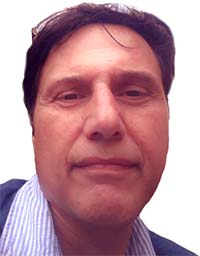 Biagio AulinoProgram Areas:
Additional Qualifications (AQ)Biagio is a York Region-based educator with over thirty years of classroom teaching experience.
He has an Honour Specialist in International Languages, Master of Arts and a Doctorate in Second Language Education. Biagio joined the International Languages Instructor team in the summer of 2021. He has been a guest lecturer, researcher and teaching assistant for Italian undergraduate courses. Biago works for the York Catholic District School Board as a Moderns Department Head.
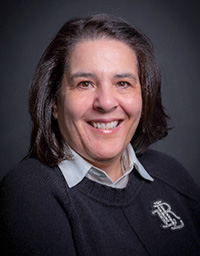 Tina BenevidesProgram Areas:
Additional Qualifications (AQ), Additional Basic Qualifications (ABQ)Dr. Tina Benevides is an Assistant Professor in the Schulich School of Education at Nipissing University.
In 2013, Tina was named an Apple Distinguished Educator for her research into the innovative uses of technology to assist struggling readers. Tina has taught a number of courses in the Schulich School of Education and presented at numerous conferences both nationally and internationally. Tina's research interests lie in early literacy, new literacies, children's literature, and children's mental health. Tina has taught several courses in the Schulich School of Education including Language and Literacy, Classroom Management, Social Studies, Science and Technology Education, and Kindergarten, Part I, II and III.
 Robert BradyProgram Areas:
Additional Basic Qualifications (ABQ)Robert has 26 years of experience teaching English and literacy.
Robert teaches with the Near North District School Board. He has served as the team leader of a languages department, chairperson of an English subject council, and on various assessment and evaluation, information and communication technology, and new teacher induction committees at the school and district levels. Most recently, Robert has taught Language and Literacies for the Intermediate and Senior Divisions.
 David CalverleyProgram Areas:
Additional Basic Qualifications (ABQ)David Calverley has been teaching ABQ courses for Nipissing University since 2007.
David has worked at Crescent School in Toronto since 2002, teaching history, law, Indigenous studies, and social sciences to students in Grades 9 to 12. He was department head for eighteen years and is currently helping to support new teachers at Crescent School. He has a PhD in history, and is the author of the monograph Who Controls the Hunt? First Nations, Treaty Rights, and Wildlife Conservation in Ontario (UBC Press, 2018) and other articles on Indigenous history. David also works part-time as a historical consultant on Indigenous issues.
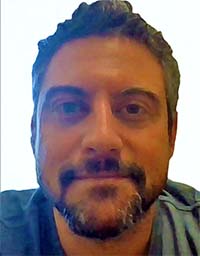 Adam CoxProgram Areas:
Additional Qualifications (AQ)Adam Cox has a distinct passion for Alternative Education spanning over twenty years.
Adam developed and taught Personalized Alternative Education programs and experiential learning programs in various schools in England and in the York Region District School Board. He strongly believes that Experiential Learning Experiences are a great way to fully engage students, close achievement gaps, foster student achievement, and ultimately develop the “holistic” student to prepare them for “real life”.
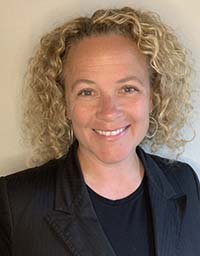 Kimberly LewisProgram Areas:
Additional Qualifications (AQ)Kimberley has taught addition qualification courses for Nipissing University since 2010.
With a degree in French Teaching Specialization and an honours specialist in French, teaching FSL Part 1, 2 and Specialist has been a perfect fit for Kimberley. She has a breadth of experience in the FSL classroom teaching core, extended, and immersion classes as well as the International Baccalaureate program. In 2021, Kimberley contributed to the review and update of the FSL Course Guidelines for the Ontario College of Teachers.
 Liliana MartinsProgram Areas:
Additional Qualifications (AQ)Liliana is an AQ developer, facilitator and educator with over 25 years experience.
Liliana offers an extensive array of experience and expertise in the areas of French and International Language programs. She values building relationships and putting student voice at the heart of learning in order to support all students in equitable and engaging learning spaces. Liliana joined the International Languages instructor team in the summer of 2022 for the introduction of the Portuguese Additional Qualification course. Liliana is a French and International Languages Instructional Coach with the Toronto District School Board.
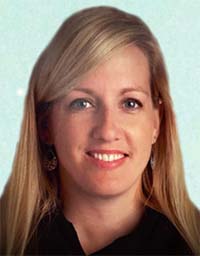 Shanna NodwellProgram Areas:
Additional Basic Qualifications (ABQ)Shanna has facilitated Health and Physical Education Additional Qualification courses for the Intermediate and Senior divisions at Nipissing University for 13 years.
Shanna is an alumnus of the BA and BEd programs at Nipissing University, as well as a past member of the Women’s Soccer and Volleyball teams. Shanna has been a teacher with the Nipissing-Parry Sound Catholic District School Board in North Bay, Ontario since 2005, where she has taught in all divisions.
 Robin PersadProgram Areas:
Additional Qualifications (AQ)This is Robin’s 15th year of facilitating Teaching English Language Learners Qualification courses.
With specialist qualifications in Reading, Special Education and Teaching English Language Learners, Robin brings a wealth of knowledge in various capacities including instructional roles. He has co-developed ESL/ELD resources, led professional development for educators, and contributed to various school board initiatives. Robin is also an accomplished presenter, with international teaching experience.
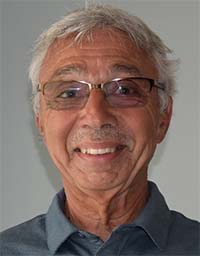 Frank PetruzellaProgram Areas:
Additional Basic Qualifications (ABQ)Frank has been a vice-principal, an English department head, and English coordinator responsible for mentoring teachers from grades 7 through 12.
Frank has taught Curriculum Development and Evaluation, Education and Schooling, Senior English, Intermediate English, and Language Across the Curriculum at Nipissing University over the past 16 years. Frank looks forward to meeting his students and sharing some thoughts on a very exciting place—the senior secondary classroom.
 James SteeleProgram Areas:
Additional Qualifications (AQ)James (Jimmy) has been with Nipissing since 2012 and loves facilitating our Spanish AQ courses.
Jimmy (he/him) is one of Ontario’s most passionate advocates for International Languages programs, students, and educators. In 2012, he co-wrote the Spanish - Part 1 AQ and has been teaching it ever since. A teacher and guidance counsellor with the Toronto District School Board, he is also a sought-after workshop presenter in multiple languages and executive member of several national organizations that actively contribute to bilingual and plurilingual policy-making across Canada.
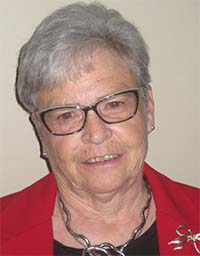 Mary ThorntonProgram Areas:
Additional Basic Qualifications (ABQ)Mary is an experienced instrumental music teacher who has taught grades 7-12 for over 35 years.
Mary teaches the onsite (Intermediate and Senior) and online Intermediate and Senior ABQ courses and has lectured, and done workshops and clinics around Ontario. Mary is an adjudicator and band director who always looks forward to supporting future and present music teachers.
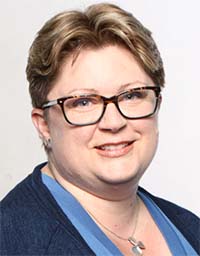 Nicola TownendProgram Areas:
Additional Qualifications (AQ)Nicola Townend (she/her) has been teaching German and French in Toronto for 20 years.
Nicola is a settler Canadian of British origin. Her interests include equity and inclusion, plurilingual and pluricultural approaches to teaching languages, and the integration of Indigenous content and perspectives. Nicola is a former president of the OATG and the CATG, two associations supporting German educators in Ontario. She is proud to have taught the German Part 1 AQ at Nipissing University since 2020.
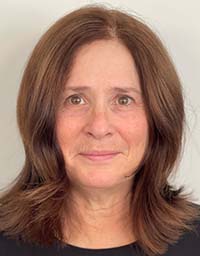 Karen WallerProgram Areas:
Additional Basic Qualifications (ABQ)For the past 20 years, Karen has worked part-time with Nipissing University, facilitating Primary AQ and Primary ABQ.
Karen is a retired School and System Principal with 33 years of dedicated service at the Near North District School Board. Most recently, she has taken on the role of Faculty Advisor, where she mentors and supports new teacher candidates.
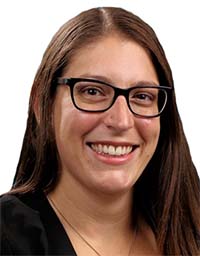 Leisa WheatonProgram Areas:
Additional Qualifications (AQ)Leisa is a special education teacher for the Near North District School Board.
Leisa has been an instructor with Nipissing University, for the Reading Additional Qualification Part I, Part II and the Specialist courses since 2019. As a teacher, Leisa has taught in all divisions and supported many literacy initiatives within her board. Leisa is passionate about literacy development and learning for students. As a principal, she spent 8 years working alongside educators, supporting best practices for literacy success for all students. Leisa now works as a special education teacher for the Near North District School Board.
 Carly WilkinsonProgram Areas:
Additional Basic Qualifications (ABQ)Carly is an experienced teacher with the Simcoe County District School Board.
Carly has held roles in teaching mathematics and business, as well as in student success, guidance and assessment facilitation. Carly has facilitated, and contributed to the redevelopment of, Intermediate Math, Senior Math, and Guidance Part 1 AQ courses, as well as a remedial calculus course for prospective engineering undergraduate students. With well-being always as a focus, she sits on the board of directors with the CMHA Simcoe County Branch.
-
George and Helen Vari Simulation Centre Virtual Tour
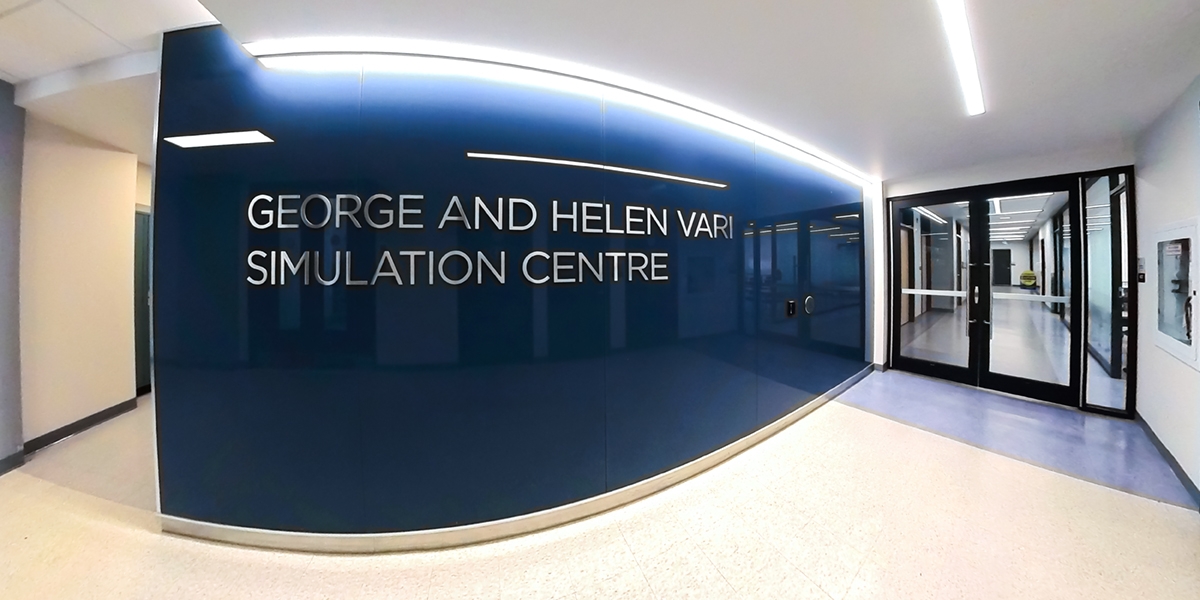
The George and Helen Vari Simulation Centre offers an immersive and interactive learning environment designed to replicate a variety of real-life situations, procedures, and environments and features four rooms with life-like manikins that can recreate a variety of professional situations for both emergency and procedural training to enhance competency in practice.
Using immersive projection technology, two dedicated spaces can be transformed into healthcare settings such as a clinic or hospital and can mimic any home, school, post-secondary institution or community setting, including disaster scenarios, large group gatherings and crime scenes. Students navigate the immersive environment using interactive touch points and 360-cameras. The space can be staged to represent cases, assist with training social workers and home visitors, mimic occupational-therapy and physiotherapy visits and will soon include a life-like home apartment setting that can simulate a client’s home visit and assessment.