-
Academic Integrity Resources for Students
Academic integrity is a shared responsibility at Nipissing University. It reflects honesty, fairness, trust, and respect in all learning and research activities. Upholding these values ensures that every student’s work is evaluated fairly and that the University’s academic standards remain strong.
Academic Misconduct Roadmap
for Students

ACADEMIC MISCONDUCT NOTIFICATION
This email from your professor is your notification. Take a deep breath, we are all here to support you and address misconduct with education and understanding.

SDS SUPPORT
The Student Support Navigator (SSN) can be contacted by emailing nusuccess@nipissingu.ca. The SSN will support your understanding of the process, resources, and navigation of your next steps; they will help walk you through the process.

MENTAL HEALTH SUPPORT
This process may feel stressful and intimidating. You may want to reach out to the Mental Health and Wellbeing team at nipissingu.ca/mhwellness for support navigating your emotional and mental wellbeing during this process and to review available resources.

EDUCATIONAL PROCESS
Learning is the core of this policy. You have the opportunity to book an appointment with a Student Learning Coordinator to receive educational support regarding academic integrity. You can connect with the Student Learning and Transitions (SLT) team by booking an appointment at nipissingu.ca/slt

ACKNOWLEDGEMENT
If you choose to connect with a Student Learning Coordinator in Student Learning and Transitions (SLT) as part of your academic integrity educational process, you'll write a letter to acknowledge your misconduct, discuss your new knowledge, and demonstrate your commitment to future academic integrity.

DECISIONS
The decision on penalties comes from your professor's recommendation and the Associate Dean's judgement. There is an appeal process.
- Understanding Academic Integrity
- When Academic Misconduct is Suspected
- When There’s a Finding
- Appealing a Decision
- Progressive Discipline
- SDS Support
Frequently Asked Questions
When Misconduct is Suspected
If academic misconduct is suspected, the steps listed below will be followed to ensure the process is fair and consistent:
Instructors Will:
- Review the evidence – They will gather relevant materials such as the assignment, communication records, or other documentation.
- Consult their Chair or Director – They will discuss the situation to confirm whether a report should be submitted.
- Contact you – They will email you at your @my.nipissingu.ca address to request a meeting to discuss the concern.
- Determine next steps – After reviewing the evidence and meeting with you (or if you do not respond), decide whether misconduct occurred.
- If no misconduct is found, they may close the matter or issue a warning.
- If misconduct has occurred, they will complete and submit the Academic Misconduct Incident Report.
Proctors, Teaching Assistants, or Invigilators Will:
- Document the incident in detail, including what was observed, when, and any materials involved.
- Report the incident to the course instructor as soon as possible.
- The instructor will then follow the steps above to review the matter and determine next actions.
When There's a Finding
If, after reviewing the evidence and meeting with you (or if you do not respond, or meet), your instructor determines that academic misconduct has occurred, they will do the following:
Step 1: Complete the Academic Misconduct Incident Report
- Your instructor will complete the Academic Misconduct Incident Report Form and attach all supporting documentation, such as assignment files, comparison sources, communication records, and meeting notes.
- They will include your version of events, if provided.
Step 2: Submit the Report
- Once the form is submitted by your instructor, a notification is automatically sent to you and Associate Dean, including a copy of the completed report and all attachments.
- You will have 10 business days from the report date to provide written comments or request a meeting with the Associate Dean.
- The Associate Dean will review the report, supporting documentation, and any response you provided before determining next steps.
Step 3: Keep Your Records
- Retain copies of your correspondence and any relevant materials.
- Notifications will continue to be sent automatically as the report moves through the review process.
You are encouraged to meet with the Student Support Navigator (SSN), and/or a representative from NUSU for further assistance on the process.
Appealing a Decision
- Appeal to the Dean – Within three weeks of being notified of the Associate Dean’s decision, you may appeal on the following grounds:
- New evidence that significantly affects the case and could not have been provided earlier.
- A procedural irregularity that impacted the outcome.
- Appeals cannot be made solely because you disagree with the penalty.
- Appeal to the Academic Appeals and Petitions Committee – If dissatisfied with the Dean’s decision, you may appeal within three weeks. The committee’s decision is final.
- All appeals must be submitted in writing with supporting documentation.
Before submitting an appeal you are encouraged to meet with the Student Support Navigator (SSN), or a representative from NUSU to seek clarification of the appeal process.
Progressive Discipline
- Nipissing University applies a progressive approach to academic discipline to ensure penalties are fair, transparent, and proportionate.
- Minor Academic Misconduct may include incomplete citations, first-time unauthorized collaboration, or other limited infractions.
- Major Academic Misconduct includes extensive plagiarism, cheating, falsification, contract cheating, or repeat offences.
- All confirmed cases are recorded on the student’s academic record. The University may rescind a degree if misconduct is discovered after graduation.
The Student Support Navigator (SSN) can be contacted by emailing nusuccess@nipissingu.ca. The SSN will support your understanding of the process, resources, and navigation of your next steps; they will help walk you through the process.
Learning is the core of this policy. You also have the opportunity to book an appointment with a Student Learning Coordinator to receive educational support regarding academic integrity. You can connect with the Student Learning and Transitions (SLT) team by booking an appointment at nipissingu.ca/slt
-
Academic Integrity Resources for Faculty and Staff


Academic Integrity at Nipissing University
Academic integrity is a shared responsibility at Nipissing University. It reflects honesty, fairness, trust, and respect in all learning and research activities. Upholding these values ensures that every student’s work is evaluated fairly and that the University’s academic standards remain strong.
Faculty, instructors, and staff play a vital role in promoting academic integrity and in supporting a transparent, consistent reporting process when misconduct is suspected.
If you suspect a violation, please submit an Academic Misconduct report using the online Academic Misconduct Reporting Form. This form ensures reports are routed automatically to the appropriate Associate Dean (and Dean, if required) for review, and that notifications are sent to all relevant parties.
For complete policy details, visit the Academic Integrity Policy.Contact your Dean’s Office for guidance or questions about the process.
- What is Academic Misconduct?
- When Misconduct is Suspected
- When There's a Finding
- Appealing a Decision
- Progressive Discipline
- Support for Students
What is Academic Misconduct?
Academic misconduct occurs when a student acts in a way that breaches the principles of academic integrity. It includes any behaviour that gives, or attempts to give, an unfair academic advantage to oneself or another person.
Examples include (but are not limited to):
- Plagiarism – using another person’s or artificial intelligence (AI)-generated words, ideas, images, or data without proper acknowledgment.
- Unauthorized collaboration or cheating – working with others or using materials, devices, or AI tools not permitted during tests, assignments, or exams.
- Contract cheating – submitting work completed by someone else or generated through AI, whether paid or unpaid.
- Misrepresentation or falsification – providing false information, impersonating someone, or altering official documents.
- Tampering or interference – disrupting the academic work of others or the scholarly environment.
- Research misconduct – fabricating, falsifying, or destroying research data or records.
All reported cases are reviewed through a clear and transparent process to ensure fairness and proportional outcomes.
When Academic Misconduct is Suspected
If you suspect academic misconduct, follow these steps to ensure the process is fair and consistent:
For Instructors:
- Review the evidence – Gather relevant materials such as the assignment, communication records, or other documentation.
- Consult your Chair or Director – Discuss the situation to confirm whether a report should be submitted.
- Contact the student – Email the student at their @my.nipissingu.ca address to request a meeting to discuss the concern.
- Determine next steps – After reviewing the evidence and meeting with the student (or if the student does not respond), decide whether misconduct occurred.
If no misconduct is found, you may close the matter or issue a warning.
If misconduct has occurred, proceed to "When There's a Finding" to complete the online Academic Misconduct Reporting Form.
For Proctors, Teaching Assistants, or Invigilators:
- Document the incident in detail, including what was observed, when, and any materials involved.
- Report the incident to the course instructor as soon as possible.
- The instructor will then follow the steps above to review the matter and determine next actions.
When There's a Finding
If, after reviewing the evidence and meeting with the student (or if the student does not respond), you determine that academic misconduct has occurred, the next step is to submit the incident through the online Academic Misconduct Reporting Form.
Step 1: Complete the Online Academic Misconduct Incident Report
Select the "Report an Academic Misconduct" button above to open the online form. Complete the form and upload any relevant documentation, such as assignment files, comparison sources, communication records, and meeting notes. Include the student’s version of events, if provided.
Step 2: Submit the Report
After submission, the system automatically notifies the student and Associate Dean, attaching a copy of the completed report and all attachments.
The student has 10 business days from the report date to provide written comments or request a meeting with the Associate Dean.
The Associate Dean will review the report, supporting documentation, and any student response before determining next steps.
Step 3: Keep Your Records
- Retain copies of your correspondence and any materials you uploaded.
- Notifications will continue to be sent automatically as the report moves through the review process.
Note:
If the case involves an applicant (rather than a registered student), the Registrar will review the evidence and determine the appropriate outcome, which may include the cancellation of admission.Appealing a Decision
A student may appeal the Associate Dean's decision within three weeks of being notified, but only on the following grounds:
- New evidence that significantly affects the case and could not have been provided earlier.
- A procedural irregularity that impacted the outcome.
Appeals cannot be made solely because the student disagrees with the penalty.
If dissatisfied with the Dean’s decision, the student may appeal to the Academic Appeals and Petitions Committee within three weeks. The committee’s decision is final.
All appeals must be submitted by in writing with supporting documentation.
Progressive Discipline
Nipissing University applies progressive and educational approach to academic discipline to ensure penalties are fair, transparent, and proportionate.
- Minor Academic Misconduct may include incomplete citations, first-time unauthorized collaboration, or other limited infractions.
- Major Academic Misconduct includes extensive plagiarism, cheating, falsification, contract cheating, or repeat offences.
All confirmed cases are recorded on the student’s academic record. The University may rescind a degree if misconduct is discovered after graduation.
Support for Students
Students that have been notified of a concern regarding academic misconduct can connect with the Student Support Navigator (SSN). The SSN can work with students to support their understanding of the process, resources, and navigation of their next steps; they will help walk students through the process. Students can connect with the SSN by emailing nusuccess@nipissingu.ca.
Additionally, students also have the opportunity to book an appointment with a Student Learning Coordinator to receive educational support regarding academic integrity to further their understanding. Students can connect with the Student Learning and Transitions (SLT) team by booking an appointment at nipissingu.ca/slt or emailing slt@nipissingu.ca
-
Access and Belonging
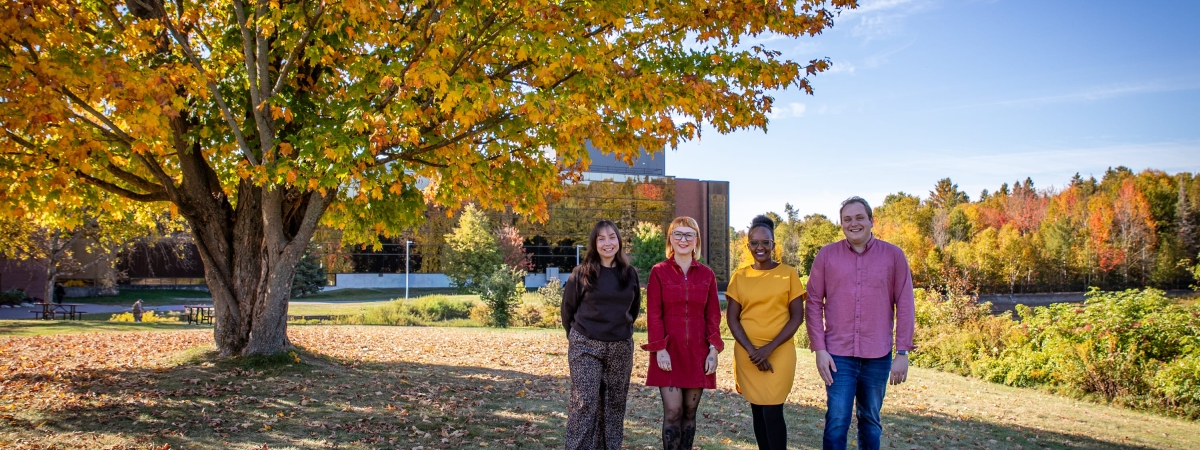
The new Access and Belonging unit within Student Development and Services reflects Nipissing University's commitment to equity and inclusion. It offers a range of support services, including the Student Support Navigator and the Sexual Violence Prevention and Education team, to foster a campus where everyone feels valued, supported, and connected.
The unit also features the Care and Connect space which is an area where conversation is welcome and access to essentials like food and hygiene items is available, ensuring that students have what they need to thrive both personally and academically.
Connect with us
You can reach us at belonging@nipissingu.ca, or drop by B209.
We are always open to feedback about ways to ensure folks in the NU community feel a strong sense of belonging.Meet the Team
Lindsay “Linds” Sullivan
Lindsay “Linds” Sullivan (she/her/hers)
MA, BA, BSW, RSW
Manager, Access and Belonging
My name is Linds, and I’m a Registered Social Worker whose career has included a broad range of experiences such as work with folks in community support, advocacy and health care settings. Many of my professional endeavours have included creative approaches and initiatives that bridge art and advocacy. My way of being and working with folks is grounded in respect. I am committed to working towards and actioning spaces where folks feel heard, valued, and seen.
Informed by navigating my personal lived experience at the intersection of identity and mental health, I look forward to continuing to work together on what matters most to each student, and to support the development of a meaningful journey while at Nipissing University (NU). I’m someone who you can connect with if you have questions, concerns or ideas about equity, access, belonging or anything else that impacts your quality of experience at NU.
When I’m not working at NU, you’ll usually find me writing music, rocking out in my band, camping whenever I can, or enjoying the comic relief my two dogs bring. I’m a big fan of Snoopy and I put hot sauce on just about everything!
I look forward to working with you and am so excited and honoured to be part of the Access and Belonging team!
Sarah Clermont
Sarah Clermont
Sexual Violence Prevention and Education Coordinator
Hi, I’m Sarah Clermont (she/her), the Sexual Violence Prevention and Education Coordinator (SVPEC) at Nipissing University. My role is all about supporting students—whether that’s through one-on-one conversations, connecting folks with resources, or running workshops that spark important conversations about consent and community care. When I’m not on campus, you can usually find me outside enjoying nature, teaching Zumba, or spending time with my super smart dog, who can use buttons to ask for treats, play, or go outside.
Vicky Waithaka
Vicky Waithaka
Student Support Navigator
As your Student Support Navigator, I am here to help you figure out university life, whether you're thriving, struggling, or just trying to make sense of it all. I’m here to support you through academic stuff, personal challenges, and everything in between. I’ll celebrate your wins, navigate the tricky stuff like conduct processes and connect you with resources to help you succeed in your student experience.
Outside of work, I’m all about music, food, travel, and outdoor adventures that push me out of my comfort zone. I jumped out of a plane this year and completed my third Spartan Race this past August. If you need someone who understands perseverance and how to climb over literal and metaphorical walls, I’ve got you. Elephants are my favorite animal. They are known for their incredible memory, empathy, and resilience, qualities I bring into my work every day.
Priscilla Bency
Priscilla Bency
International Student Coordinator
As part of the Access and Belonging team, I support international students in their transition to life on campus and in Canada. In my role as International Student Support Coordinator, I help students navigate resources, answer questions or simply be a friendly face to talk to.
Students can reach out to me for support with UHIP (University Health Insurance Plan), settlement-related concerns, building community or navigating services available both on and off campus.
A little about me: I believe that a cup of tea and a good playlist can fix almost anything. Creating welcoming and inclusive environments is something I’m passionate about and I’m always happy to connect!
Gracie LiritzisGracie Liritzis
Frontline Support
Gracie helps keep things running smoothly for the Student Learning and Transitions and Access and Belonging teams. She’s often the first friendly point of contact for students and staff, handling bookings, organizing appointments, and supporting programs behind the scenes.
Tulsa Phido
Tulsa Phido
Student Experience Coordinator, Access and Belonging
Hi, I'm Tulsa! In my role, I’m dedicated to creating a welcoming and supportive campus experience for everyone. I help students find their place, build meaningful connections, and access the resources they need to thrive. I work across different areas of the university to ensure students can connect with the people, opportunities, and support systems that foster a sense of belonging and success. My goal is to make university life easier to navigate, and a lot more inclusive.
Outside of work, I enjoy listening to music, experimenting with new recipes, and spending time with my orange cat, Steven.
Student Employees
Maria Cristina Aguillera Valle
Maria Cristina Aguillera Valle
International Student Support Assistant
Originally from Brazil, I am a Master of Science in Kinesiology student at Nipissing University. As the International Student Support Assistant and an executive member of the International Student Mentorship Program (ISMP), I help organize events, including the International Student Orientation, pair mentors and mentees, and ensure international students feel supported by connecting them with the right resources throughout their transition to campus life. I also work with the WUSC (World University Service of Canada) team to assist refugee students and am also developing TAP – The Ambassador Program, which will recruit students to serve as NU Ambassadors and help connect with prospective international students. Outside of work and studies, I enjoy animals, reading, the outdoors, sunsets, and experiencing the beauty of Northern Canadian winters.
Indulekha Thaimadathil Venu
Indulekha Thaimadathil Venu
SVPE Outreach Assistant
Hello! I'm Indulekha (You can call me Indu!), and I am truly honored to be your new SVPE Outreach Assistant for the 2025-2026 term. I'm deeply passionate about being a resource and a catalyst for change, and my goal is to foster safer spaces built on a foundation of compassion, empathy, respect, and resilience for everyone.What truly drives me is the chance to align my work with my purpose, merging my deepest ethical values with tangible, grassroots action.
Beyond my advocacy work, I'm a self-proclaimed expert in the art of napping (can't resist!) and an extreme cinephile with love for cinema. I also find joy in writing, exploring new places, and engaging in thoughtful conversations, and sometimes, just doing nothing, valuing time both with myself and with people, simply listening to them.
I am super thrilled and grateful to contribute as a member of the Access and Belonging team, to be a supportive resource, and I look forward to collaborating to make a meaningful impact.
Dawson Thompson
Dawson Thompson
Sexual Violence Prevention and Education Outreach Assistant
Dawson Thompson is a Bachelor of Education student at Nipissing University who is passionate about creating inclusive, supportive, and equitable communities. As a Sexual Violence Prevention and Education Outreach Assistant, Dawson is deeply committed to fostering safe and respectful spaces where everyone feels valued and heard. Through workshops, events, and campus outreach, he promotes awareness, consent, and inclusivity while encouraging open dialogue and empathy.
Dawson values community connection and advocacy, believing that education plays a powerful role in building understanding and inspiring positive change. He strives to bring compassion, creativity, and collaboration into everything he does - both within the classroom and beyond.
Care and Connect Space:
Welcome to the Care and Connect space in B209! As part of Access and Belonging in SDS, it is hoped that this space offers you what you need to ensure quality of experience at NU. We have snacks, a microwave and fridge, hygiene supplies, a space to sit to work on homework or just take a break and more!
We want to know what you would like to see in the Care and Connect space. You're welcome to let us know by filling out this form or connecting with us belonging@nipissingu.ca.
-
Post-Sabbatical Talks
Elevate your lunch hour by taking in short talks by NU faculty members, fresh from sabbatical, on their latest research. You bring your lunch; we'll bring the coffee and treats!
Read more about this year's scheduled events below.
FALL 2025
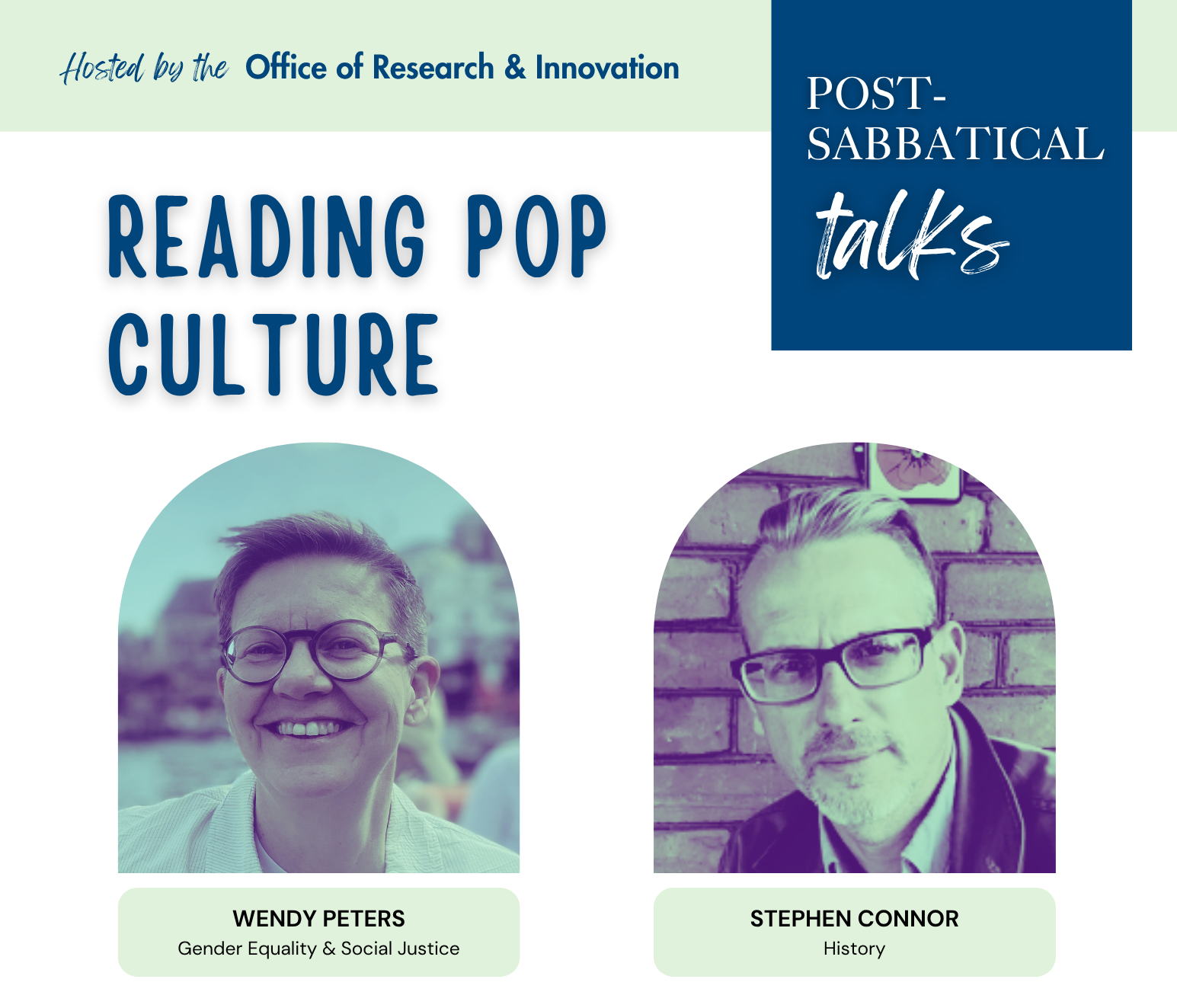
Date & Time: Friday, Nov 14, 1-2 p.m.
Location: F210
Precarious Professionalization: Reality TV Casting, Conglomerates, and the Cost of On-Camera Labour (Dr. Wendy Peters)
Reading across 56 American reality series released in 2024, Wendy discusses how 3 distinct casting models impact both production and talent, focusing largely on the financial benefits to conglomerates and the effects on pay and working conditions for talent. Together, these casting approaches provide a diverse, flexible, non-unionized, and self-replenishing talent ecosystem that minimizes risk and cost for the companies that create these series, but not for the talent who labour within them.Comic Books and the Vietnam War, 1954-1973 (Dr. Stephen Connor)
This talk will zero in on Stephen’s most recent publication, which explores how American comics represented the Vietnam War from 1954 to 1973. Stephen will discuss how comics both reinforced and subverted dominant narratives about the war.WINTER 2026
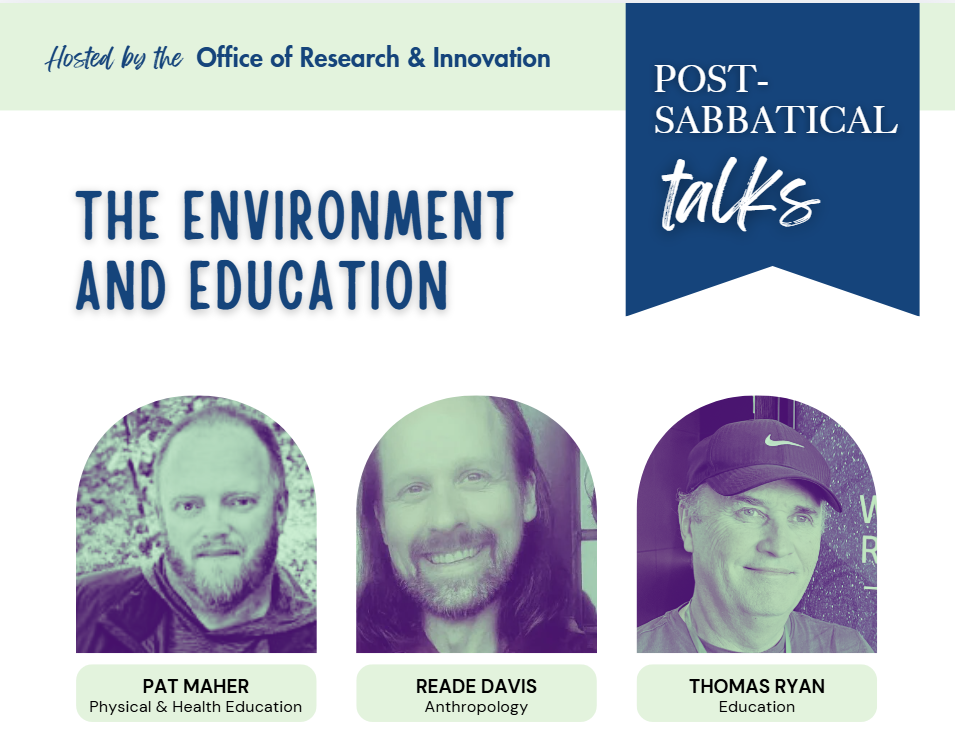
Date & Time: Tuesday, Apr 14, 12-1 p.m.
Location: Fedeli Room (F210)
Check back later for descriptions of the talks!
-
Event Planning Resources
Are you planning an event at Nipissing?
Make sure to review the resources below. They offer helpful guidance on everything from preparation and promotion to safety, accessibility, and more—so you can plan an event that runs smoothly and meets everyone’s needs.
If you have a question about the resources included, email us at meet@nipissingu.ca
-
Faculty of Education and Professional Studies

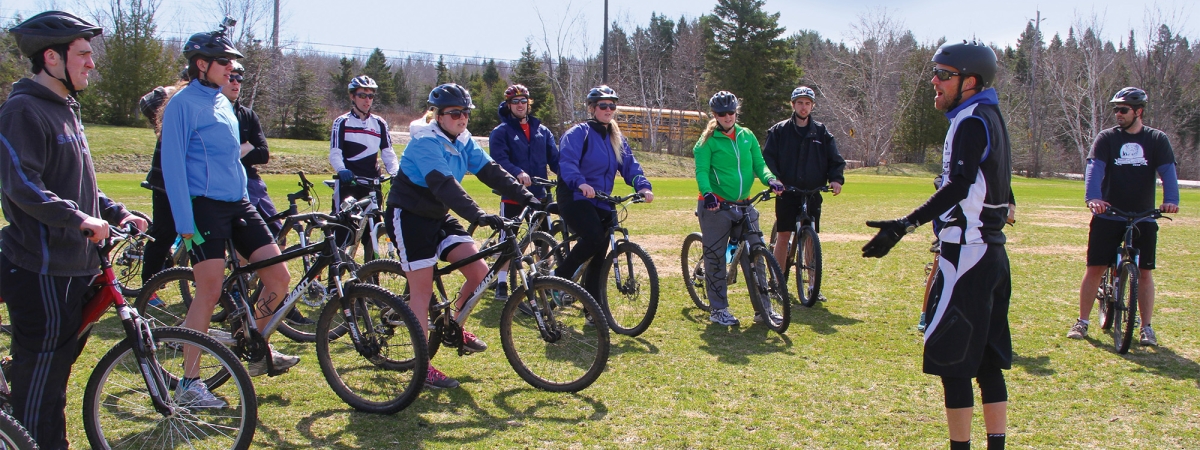

Join passionate and driven students like you in the pursuit of a meaningful, career-focused degree in Education and Professional Studies.
- Choose from a range of programs designed to prepare future educators, leaders, and professionals through applied, hands-on learning.
- Learn from experienced faculty members and respected practitioners in small class settings that foster mentorship and personalized support.
- Benefit from experiential learning opportunities such as placements, internships, and applied research that connect theory to real-world practice.
- Study in a unique learning environment with modern facilities nestled within 256 acres of pristine forest.
- If you are committed to making a difference in classrooms, communities, and professional settings, Nipissing University’s Faculty of Education and Professional Studies is for you.
What's Happening in Education and Professional Studies
Explore Schools within Our Faculty

School of Business
We offer more than a degree—combining core business knowledge with professional and social skills.

School of Physical Health and Education
Our program integrates human movement science with hands-on learning.
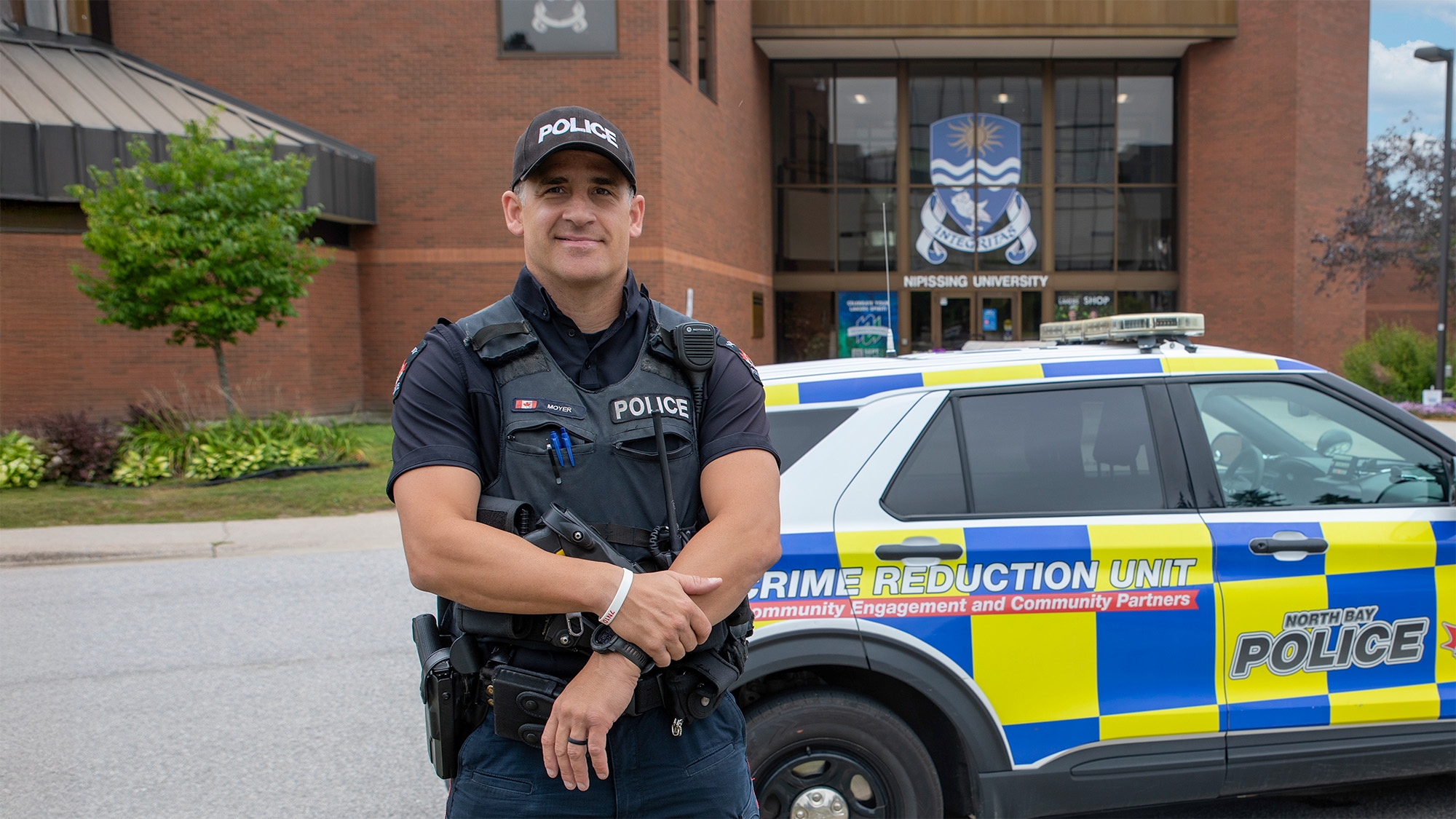
School of Criminal Justice
Through field placements and research, you’ll work alongside real criminal justice professionals.
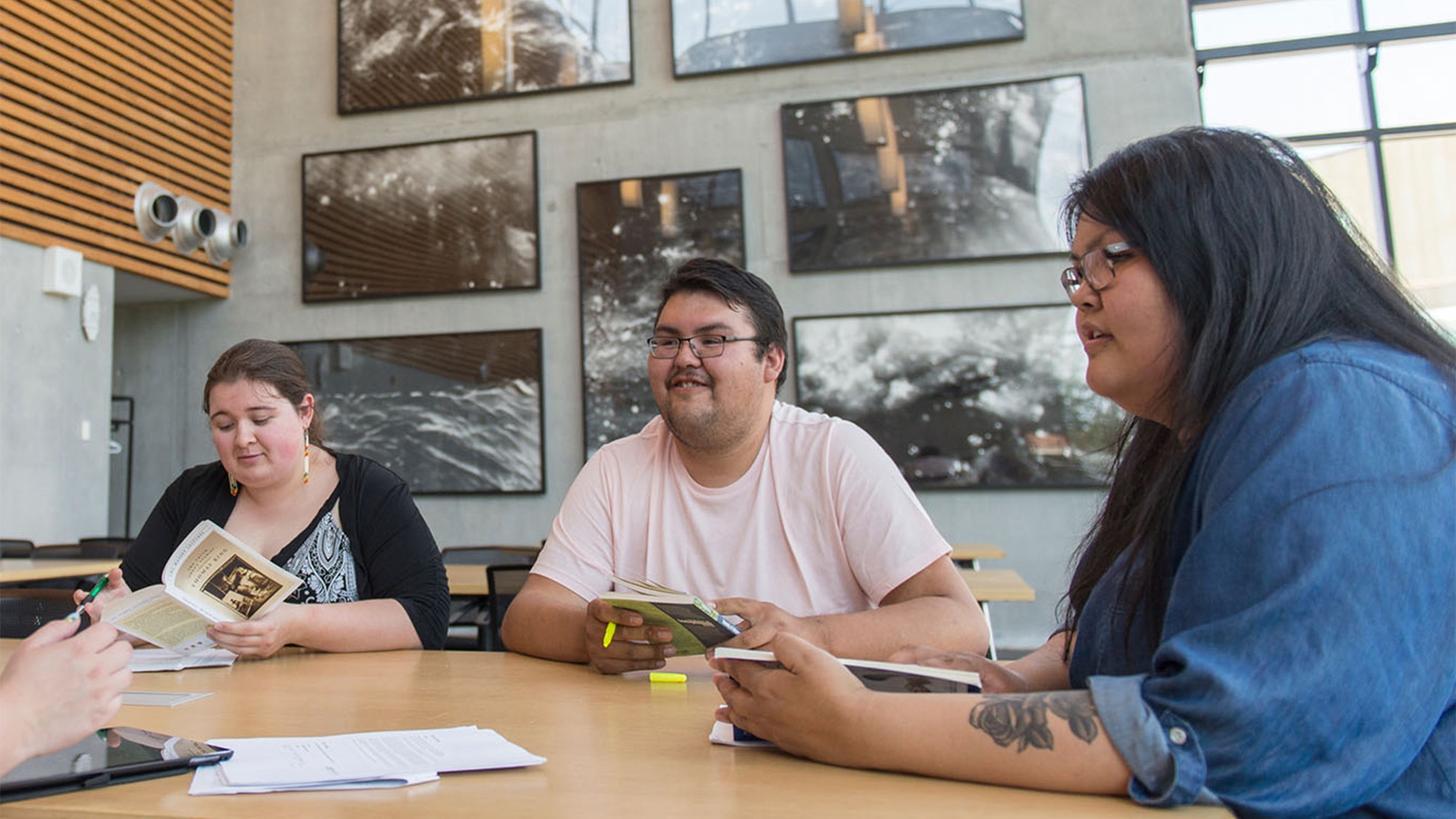
School of Social Work
Our program prepares students for ethical, inclusive practice grounded in critical thinking, creativity, research, and human rights.
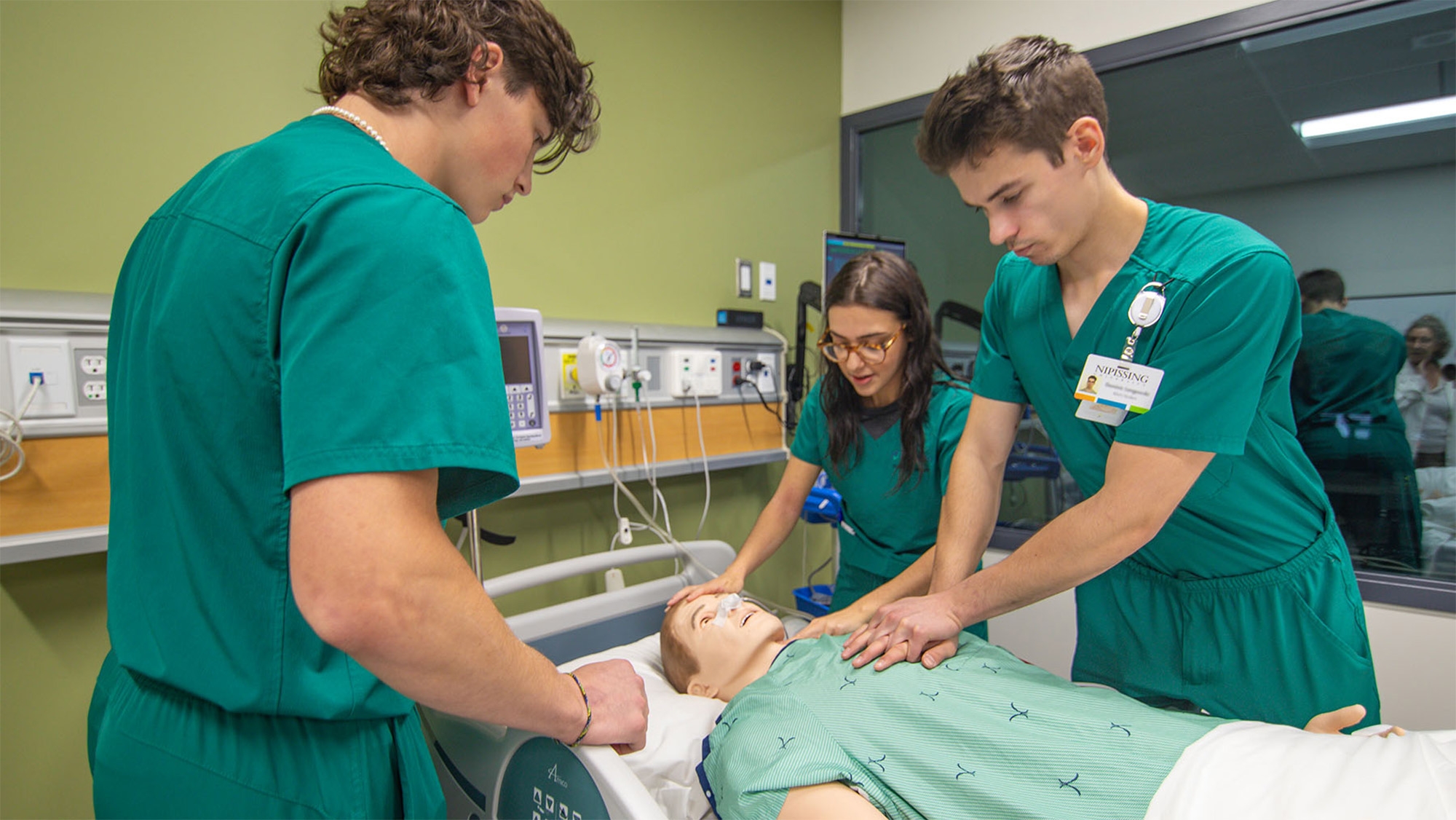
School of Nursing
Our program offers classes that are learner-centred and are taught by skilled faculty.
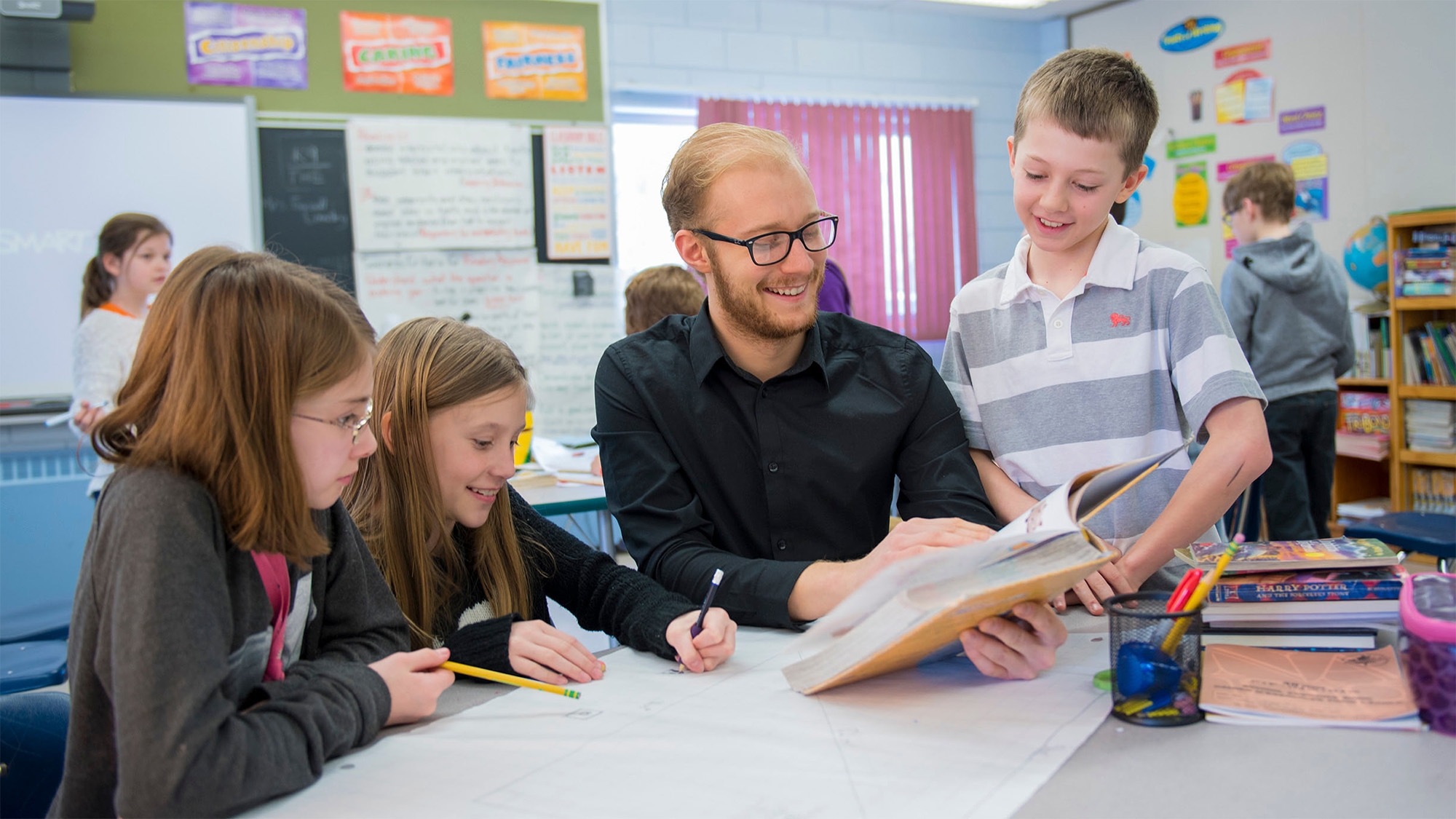
Schulich School of Education
Our program prepare students to become community leaders in the promotion of healthy, active, lifestyles.
Admission & How to Apply
Facilities and Research Centres
Learn more about the interdisciplinary research taking place in our research centres and groups.
Program Specific Resources
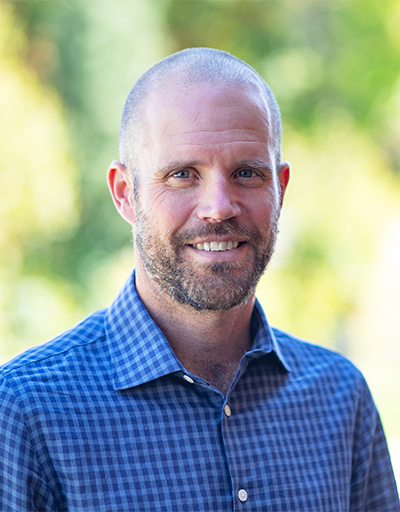
Graydon Raymer, Dean of Education and Professional Studies Welcome from the Dean of Education & Professional Studies
Welcome to the Faculty of Education and Professional Studies!
This Faculty includes the Schulich School of Education and the Schools of Business, Criminal Justice, Nursing, Physical and Health Education, and Social Work.
Our internationally-recognized faculty members also contribute to the following graduate programs: Master of Education, Doctor of Philosophy in Educational Sustainability, and Master of Science in Kinesiology. You will find more details on those and other graduate programs on the School of Graduate Studies page.
I wish to acknowledge that Nipissing University sits on the territory of Nipissing First Nation, the territory of the Anishnabek, within lands protected by the Robinson-Huron Treaty of 1850. We are grateful to gather, live, and learn on these lands with all our relations.
As Dean of the Faculty of Education and Professional Studies, I am proud of our outstanding professors, students, staff, and facilities. Our faculty have a long history of excellence in education and research, for which many have been recognized through national and international awards. Our students have rich opportunities to learn from these scholars and to apply that knowledge in real-world settings.
I look forward to supporting our students, staff, and faculty this year, and helping make the Nipissing experience the best it can be.
Sincerely,
Dr. Graydon Raymer
Dean, Faculty of Education and Professional StudiesResearch Opportunities
Undergraduate Research Conference
The annual Undergraduate Research Conference allows eligible students who have led a scholarly project to present their work and gain experience, with opportunities to also work as a Research Assistant.
Record of Student Development
- The Record of Student Development (RSD) lets students gain and showcase real-world skills like communication, teamwork, problem-solving, and a strong work ethic that employers value.
- To register and see the full list of RSD competencies visit www.nipissingu.ca/rsd
Get Involved on Campus
Nipissing University Student Union (NUSU)
- Students attending Nipissing University in North Bay and long distance students are members of the Nipissing University Student Union. Our organization strives to represent students democratically, provide a communication framework, and lobby for legislative change on issues that affect students.
Lakers Athletics
- Intramural Sports: Nipissing’s Athletics Department offers a wide range of intramural activities to keep you on your game
- Lakers Club Sports: Club sports are available to all Nipissing students and are both recreational and competitive.
- Varsity Sports: Go Lakers! Our varsity athletes always bring their “A” game. Get your friends together and come out to cheer on your favourite teams.
- RJ Surtees Athletic Centre: Whether you are a gym enthusiast or a weekend warrior, Nipissing has just what you need.
Policies and Regulations
Academic Policies and Regulations
The following is a list of student related Academic Polices and Regulations as approved by Academic Senate.
Have a question?
Browse our most frequently asked questions and answers.
Course Info & Structure
Registration & Course Codes
Technology & Skills
Exams, Grades & Degree Completion
Support and Financial Aid
-
Harris Learning Library
-
Provost and Vice-President, Academic
Interim Provost and Vice-President, Academic Dr. Carole Richardson

Dr. Carole Richardson Dr. Carole Richardson is an accomplished leader with extensive experience as a senior academic administrator. She has served Nipissing University in a variety of academic leadership roles, including Provost and Vice President, Academic and Research (Interim); Dean of Education and Professional Studies; and Dean of the Schulich School of Education. She has also held the position of Associate Dean and has been a dedicated faculty member at Nipissing since 2002, teaching Curriculum Studies in Music Education to pre-service teachers.
Before joining Nipissing, Dr. Richardson taught classroom music in middle schools across Ontario and in the Cayman Islands, where she also assembled and conducted choirs—a passion she continued to nurture within the University community. Her research focuses on collaborative narrative inquiry as methodology and explores the transformative role of Arts experiences in students’ lives. She has also published in the areas of special education and international teaching.
Dr. Richardson holds a Bachelor of Music in Performance from Acadia University, an Artist Diploma from the University of Toronto, as well as a Bachelor of Education, Master of Education, and PhD in Curriculum, Teaching and Learning from the Ontario Institute for Studies in Education (OISE) at the University of Toronto.
December 2023 - we have a new Nipissing University Institutional Quality Assurance Protocol (NUIQAP) re-ratified by the Quality Council May 5, 2023 and approved by the Senate on June 26, 2023.
Nipissing University Institutional Quality Assurance Protocol (NU-IQAP)
If you require templates etc., please send your request to iqap@nipissingu.ca
Nomination Process
Nomination is now closed, please check back in February 2027.
Before nominating, please review the Policy for the Award:
To learn more about each award and view past recipients, see the information provided below.
Directory
-
Academic Senate
In accordance with the Nipissing University Act of 1992, the direction and operations of the University are determined by a bicameral governance: the Senate and the Board of Governors. In 2007-08, Nipissing University undertook a review and restructuring of its Senate and moved to a representational model.
Members of the Senate include: the President; the Provost and Vice-President Academic and Research; the Vice-President Finance and Administration, the Deans; the Registrar; the Executive Director, Library Services; 39 elected members of the teaching staff, six student Senators as well as representatives from the Alumni Association, Board of Governors and the Aboriginal Council on Education.
The duties and mandate of the Board of Governors and the Senate are generally divided based on administration and academic requirements, with the Senate and its various committees and subcommittees assessing the academic needs of the University. This includes evaluating new programs and courses, approval of graduates, establishing admission requirements and searches for selection committees.
The Senate meets approximately 10 times a year. Follow the links to review Senate minutes or to learn more about the various standing committees created by the Senate.
Agendas
Minutes
2025-26 Senate Membership
2025-2026 Meeting Dates
2025-26 Standing Committees of Senate
-
Board of Governors
Call for applications
Nipissing University’s vision is to provide an exceptional and personalized student experience within a collegial and diverse learning community. Want to be part of our success?
Applications are being sought from community members to fill current and upcoming vacancies on the Nipissing University Board of Governors. If you are interested in joining our Board, please click here for further information.
The Nipissing University Act (1992) provides for a bicameral governance of the University and thus, governance is based on two legislative branches: the Board of Governors and the Academic Senate. The Board of Governors, which is made up of 26 members including Nipissing’s President and Chancellor, is responsible for the government and administration of the University, creating a mandate and evaluating and monitoring the progress of that mandate. This includes control of Nipissing’s property and revenues and the conduct of its business affairs except for those matters assigned to the Academic Senate.
The Board of Governors meets at least five times a year, and we invite you to follow the links to view the minutes of these meetings. Find out more about the Board's composition, committees and activities by choosing one of the categories listed.
For information, contact:
University Secretary
Tel: 705.474.3450, ext. 4307
Fax: 705.495.3677
Email: governors@nipissingu.caThe mailing address for all members of the Board is:
Board of Governors
Nipissing University
100 College Drive, Box 5002
North Bay, ON P1B 8L7Nipissing University is a progressive, primarily undergraduate university known for providing a supportive, individualized learning environment. It has an excellent reputation for its teacher education, arts, science, business and nursing programs and is developing a dynamic research culture.
As one of the largest employers in the city of North Bay, Nipissing University has a significant impact on the City and the entire region, both from an economic and a social perspective.
Nipissing University is inviting new applications from the community to fill current and upcoming vacancies on its Board of Governors.
Agendas
- Next Meeting: February 19, 2026, at 5:30 p.m.
- Agenda & Supporting Documentation: Meeting Book - Board of Governors February 19, 2026 Meeting (Open Session) .pdf
- Observers: Please email governors@nipissingu.ca for information on how to view the open session of the Board of Governors meeting.
