-
All-Gender Washrooms
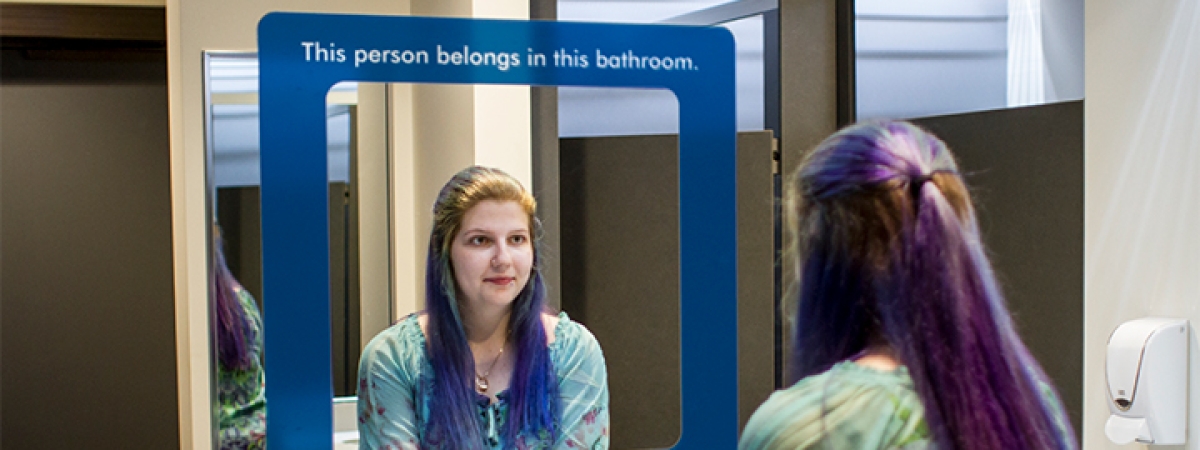
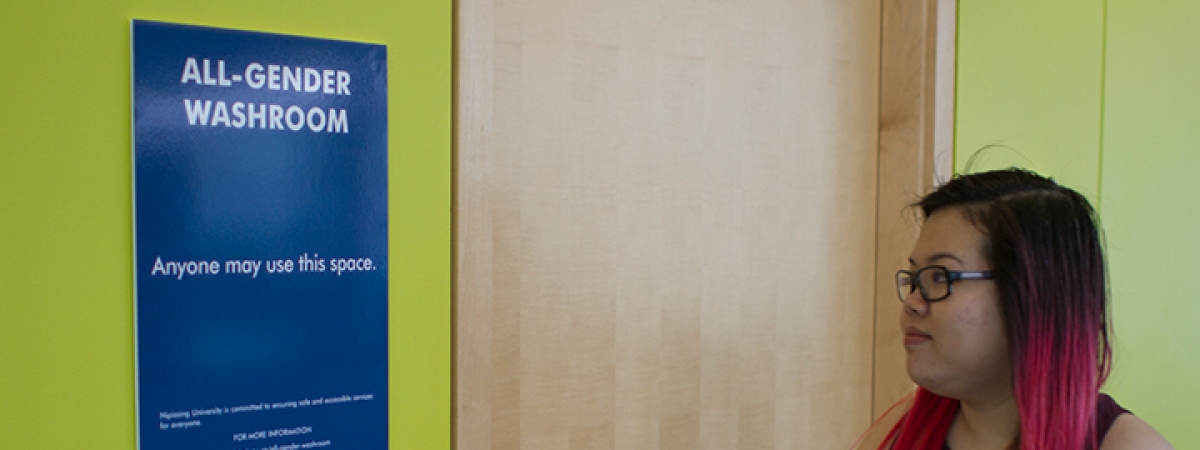
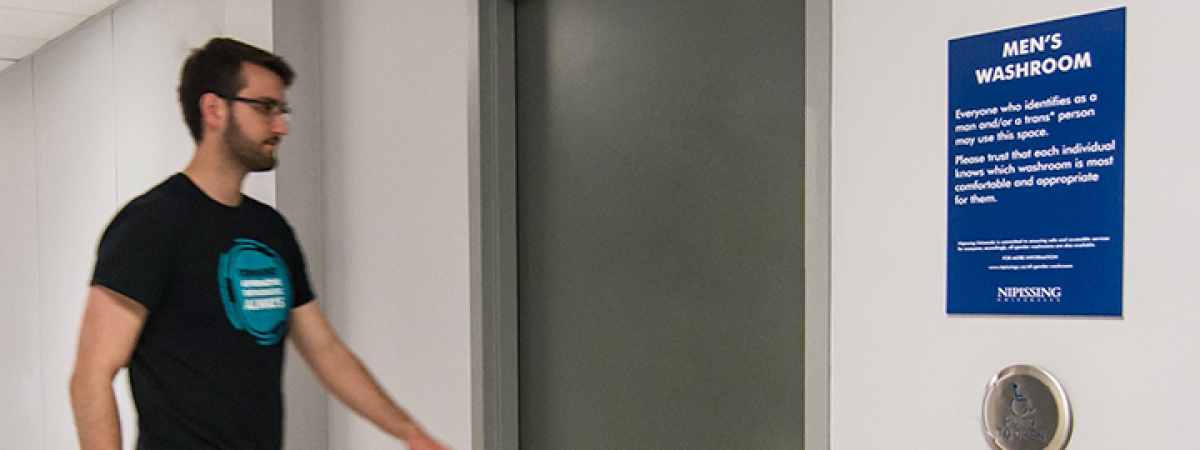
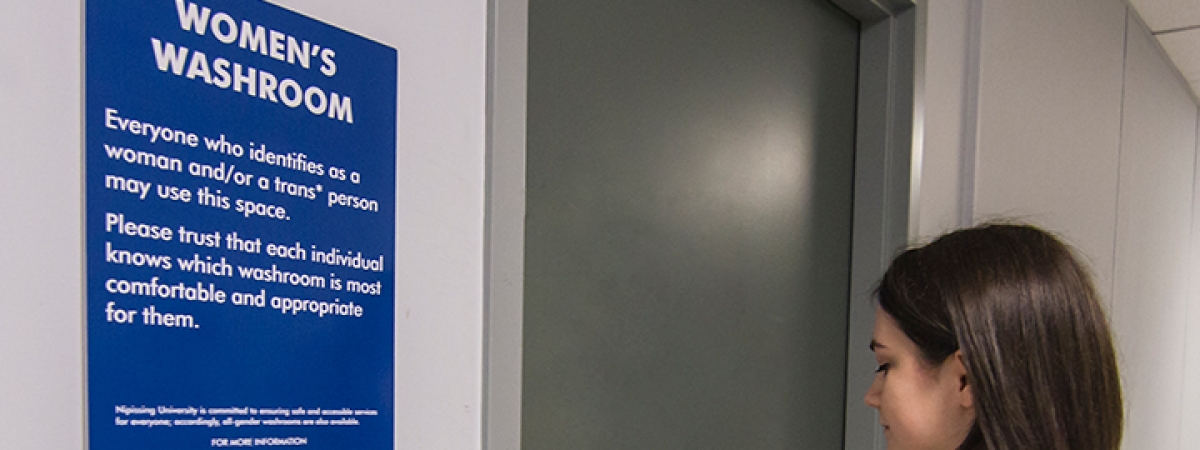
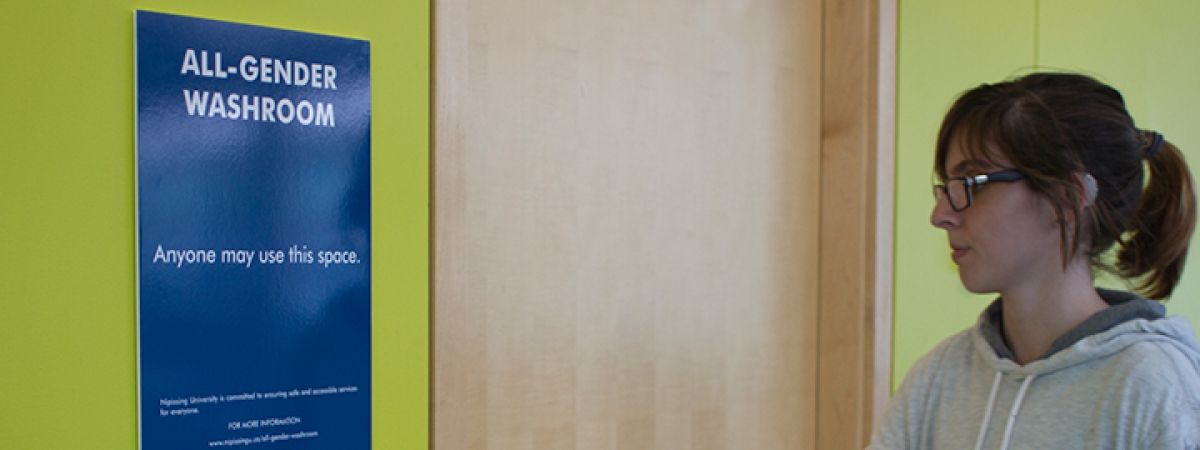
An all-gender washroom is a washroom that is not labelled male or female, but rather is available to anyone, no matter what their gender identity or biological sex.
Inclusive Washroom Signage
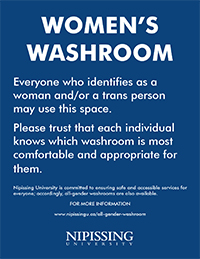
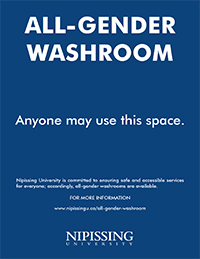
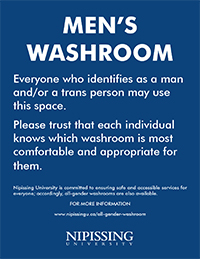
-
Employment Posting:
Onsite IT Tech - Computer Geeks On CallEmployment Posting -
Employment Posting:
Postdoctoral Research Fellowship - Healthy Aging in Rural and Northern Communities (2-year term)Employment Posting -
Biidaaban Community Service-Learning (BCSL)
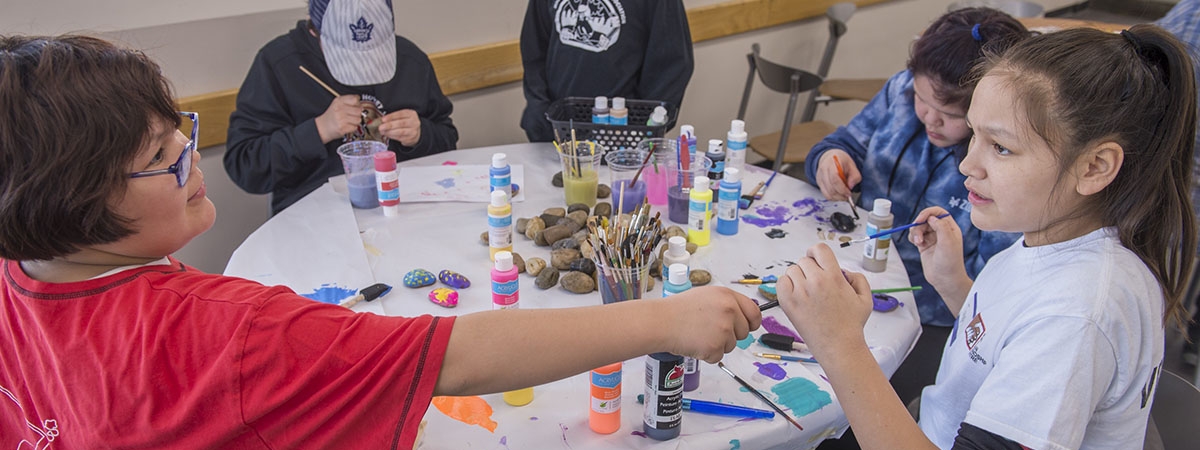
Biidaaban Community Service-Learning (BCSL) symbolizes the beginning of new partnerships designed to enhance the lives of students and communities.
Pronounced bee-daw-bun, Biidaaban is an Anishinaabe term, meaning: ‘the point at which the light touches the earth at the break of dawn.’
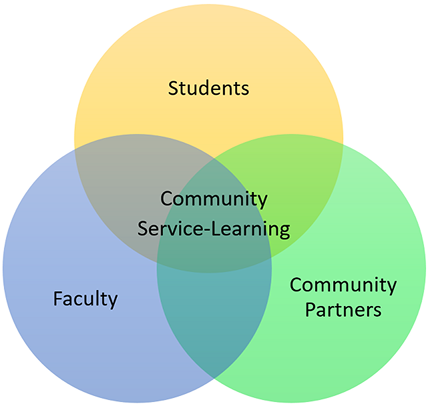
Community Service-Learning (CSL) is a form of experiential learning that addresses community needs. Faculty incorporate CSL opportunities in their courses for students to support community organizations in many ways. This interactive, reciprocal and community-engaged approach to education is followed by meaningful reflection to help consolidate notions learned in class and in community.
A reciprocal relationship between faculty, community partners and students is central to CSL. Keep reading to learn more about how our office can support the CSL process.
Contact
Community Service-Learning Officer
Enji giigdoyang, Office of Indigenous Initiatives
Nipissing University
F215-D
(705) 474-3450 Ext. 4772
indigenousprograms@nipissingu.caBiidaaban works in alignment with the Truth and Reconciliation Commission of Canada’s Calls to Action, North Bay’s Urban Aboriginal Strategy, and the Office of Indigenous Initiative’s Strategic Plan to support local Indigenous community in meaningful ways.
- CSL Information for Faculty
- CSL information for Community Partners
- CSL information for Students
- Biidaaban Youth Group
Nipissing University offers Faculty a number of administrative and logistical supports for the creation and delivery of experiential learning opportunities for their students via the Community Service-Learning program.
The Biidaaban Community Service-Learning program connects community organizations with university students and faculty, to work on community generated projects for course credit. Read on to learn more about the various experiential learning opportunities you can create for students to support your organization.
Biidaaban Youth Group (BYG) is an after school program for Indigenous youth in grades 3 to 5.
Nipissing University student employees support youth with their homework and host 1 hour of cultural, social and artistic activities.
For more information, contact the Community Service-Learning Officer at indigenousprograms@nipissingu.ca
Biidaaban Academic Support
Biidaaban Academic Support (BAS) is a tutoring program for local Indigenous youth in grades 1 to 12, with a focus on mathematics and literacy. Nipissing University student volunteers offer one-on-one support, in-person or virtually, either during the school day, or after school hours.
-
Employment Posting:
Student Webinar: Go Global with TEFL: Teach English Abroad in 2026Employment Posting -
Certificate Workshops and Event Requests
Mental Health & Wellbeing Training Opportunities
We are pleased to offer a variety of mental health training sessions for students, staff, and community members. These workshops are designed to enhance your knowledge and skills in effectively addressing mental health concerns.
Upon completion, participants will receive a comprehensive resource book and an official certificate from the developer organization.
Take advantage of this opportunity to gain valuable insights and tools for promoting mental health and wellbeing in your community.
Group Training Sessions
For groups of 15 or more, we can arrange a private training session.
Contact us at mhworkshops@nipissingu.ca to discuss your needs.Important Reminder:
Registrations will close one week before the scheduled workshop date.Event Request Form
Mental Health & Wellbeing is available to support on-campus events related to mental health and wellness.
We also offer private certificate workshops for select groups (minimum requirements apply).
Submit requests at least 8 weeks before your desired event date.
Workshop Offered
Workshop scheduling for the 2026–27 year is currently underway. Registration information will be posted here as it becomes available.
safeTALK
- Duration: ~3 hours
- Age Requirement: 15+
- Overview: Learn to recognize individuals with thoughts of suicide and refer them to trained professionals.
- Developed by: LivingWorks Inc.
- Developer Website:https://livingworks.net/training/livingworks-safetalk
ASIST (Applied Suicide Intervention Skills Training)
- Duration: 2 days
- Age Requirement: 16+
- Overview: A hands-on workshop teaching suicide first aid and safety planning.
- No prior training required
- Developed by: LivingWorks Inc.
- Developer Website: https://livingworks.net/training/livingworks-asist/
Small Talk
- Duration: ~3.5 hours
- Target Audience: Those working with children under 12
- Overview: Learn to identify warning signs in children and explore intervention strategies through case studies.
- Developed by: Centre for Suicide Prevention
- Developer Website: https://www.suicideinfo.ca/workshop/small-talk/
Mental Health First Aid: Adults Who Interact with Youth
- Duration: 2 days
- Target Audience: Adults working with youth aged 12–24
- Overview: Learn to provide initial support to youth experiencing mental health problems or crises. Topics include:
- Mental health problems & stigma
- Substance-related disorders
- Mood, anxiety, trauma-related, eating, and psychotic disorders
- Developed by: Opening Minds Mental Health Commission of Canada
- Developer Website: https://openingminds.org/training/mhfa/
Looking Forward
- Duration: ~3.5 hours
- Target Audience: Individuals working with youth aged 12–24
- Overview: Explore strategies that address the developmental, cognitive, and emotional needs of youth.
- Developed by: Centre for Suicide Prevention
- Developer Website: https://www.suicideinfo.ca/workshop/looking-forward/
-
BIPOC Student Support
To promote and be effective in addressing mental health for all, Mental Health & Wellbeing at Nipissing University uses a racial equity and intersectional lens to highlight, better understand, and effectively respond to the range of unique experiences held by students who identify as Black, Indigenous, or People of Colour (BIPOC) in addition to backgrounds that vary by race, ethnicity, religion, and language.
Mental Health & Wellbeing acknowledges the racial disparities in mental health care. Research suggests that Black, Indigenous, and People of Colour (BIPOC) compared to people who are white are:
- Less likely to have access to mental health services
- Less likely to seek out services
- Less likely to receive needed care
- More likely to receive poor quality of care
- More likely to end services prematurely
Some of these barriers can be attributed to a variety of factors such as cultural stigma around mental illness, racism and discrimination, language barriers, a lack of health insurance, mistrust of mental health care providers, a lack of cultural competency on the part of mental health care providers, and a Eurocentric-Western worldview of psychology, mental health, and therapeutic modalities.
BIPOC Student Support at Mental Health & Wellbeing provides the following services for BIPOC Students at Nipissing University:
- Mental Health & Wellbeing staff provide culturally sensitive counselling and psychotherapy
- BIPOC Individual Counselling: Choose to speak to a Racialized Counsellor
- BIPOC Mental Health Practitioners within the Community (Ontario)
- Ongoing collaboration with Racialized Student Groups and International Students to promote BIPOC mental wellbeing through mental health awareness initiatives, psychoeducation, advocacy and more
- Mental Health and Anti-Racism Resources for BIPOC Students
BIPOC Individual Counselling
Sometimes seeking support from a mental health therapist and counsellor can be difficult for a myriad of reasons including (but not limited to): the barriers between one’s culture and the therapist, fear of being misunderstood and invalidated, the burden of having to explain one’s culture and worldview and feeling like your therapist won’t understand you because of your colour, race, religion, or culture and the unique experiences of these identities like racial trauma and experiences of discrimination.
Mental Health & Wellbeing acknowledges these challenges faced by students who identify as black, Indigenous, and people of colour (BIPOC) with backgrounds that vary by race, religion, language, and ethnicity.
Accordingly, students have the option of choosing a racialized counsellor for individual counselling during their Registration with Mental Health & Wellbeing by checking BIPOC Student Support.
BIPOC Student support is committed to culturally sensitive forms of psychotherapy while acknowledging the different experiences of BIPOC students regarding their mental health challenges and wellbeing.
-
Dibaadan Support
Important Program Update
Due to unforeseen circumstances, Dibaadan programming will not be available as of February 26th, 2026.
All future updates about programming will be shared here as soon as they become available.
Thank you for your continued support.
For more information, contact mhwellbeing@nipissingu.ca or 705-474-3450 ext. 4507
Dibaadan provides specialized outreach, prevention, and intervention from a wholistic Indigenous wellness perspective. This includes events and activities to learn more about caring for your well-being. Any student may access these services (status, non-status, non-Indigenous).
Dibaadan Meaning: "Speak the Truth, speak from your Heart"
Aaniish naaMeaning: "How are you?"
Mino bimaadziwin Meaning: “To Live the good life following a balanced approach”
Origin: Anishinaabemowin
Sharing Circles
Indigenous sharing circles build on wholistic mental health and wellbeing. This is a supportive time for reflecting, relationship building, and sharing with others. The sharing circles help introduce students to sharing, and learning together.
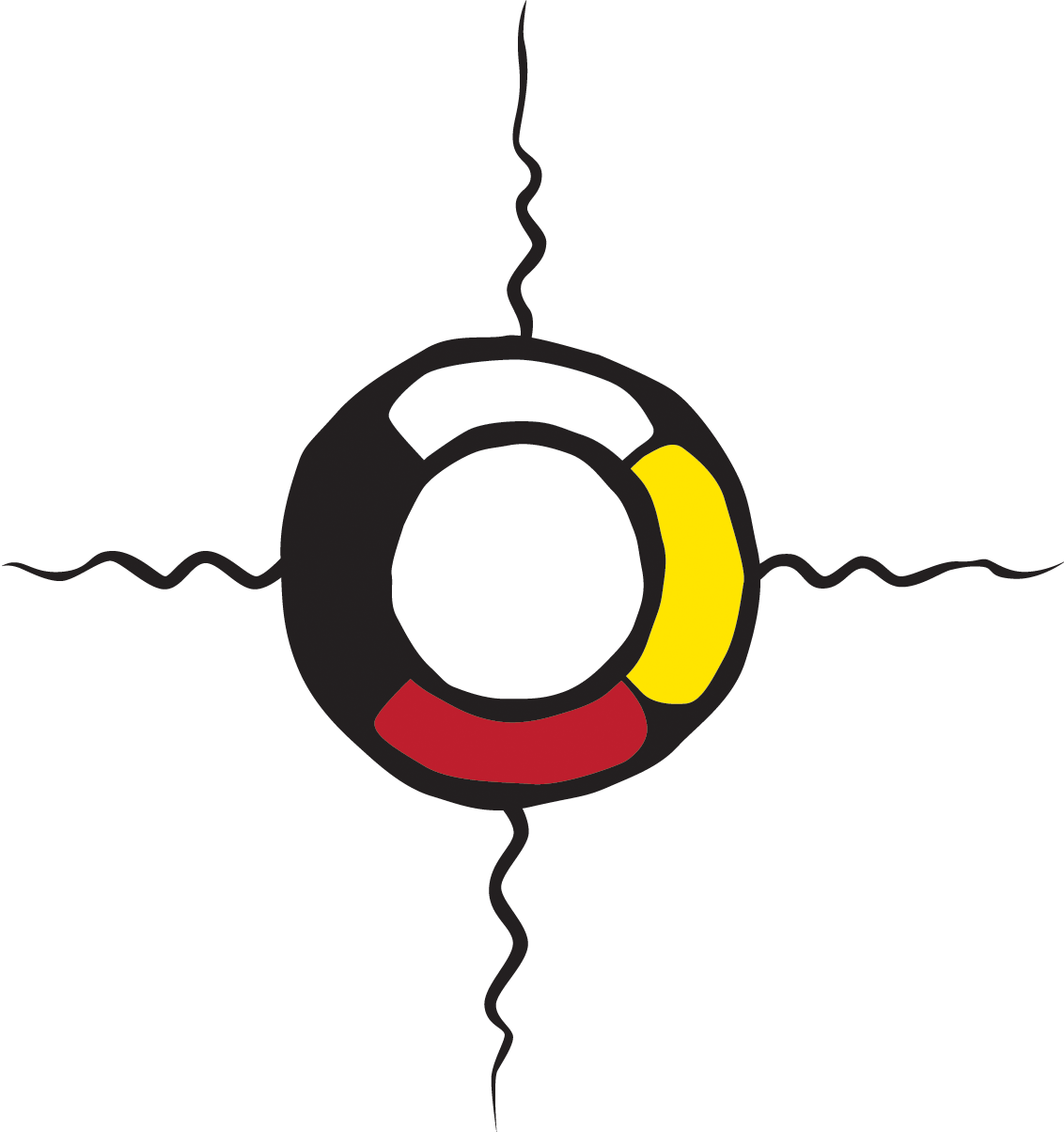
Gaining a better understanding of self and others. Every sharing circle begins with a smudging ceremony. The Dibaadan Wellness Coordinator will facilitate a conversation for wholistic wellness related to one of the four directions of the medicine wheel. All students are welcome!
 History of Dibaadan
From September 2015 – March 2017, Nipissing University under the leadership of Mental Health & Wellbeing funded by the Mental Health Innovation Fund, led a two- year initiative to overall “Strengthen Mental Health Services for Indigenous Students” at Nipissing University. This project was called “Dibaadan”. (Speak from Your Heart- Your Truth – Ojibway Anishnaabemowin)
Phase 1: The Project Facilitator worked within a consultative framework (medicine wheel) with an Indigenous Advisory Circle consisting of community leaders in the helping field as well a Traditional Elder and NU student representatives.
Phase 1 consisted of evaluating and information gathering of peer reviewed scholarly literature on “Wise Indigenous Mental Health Practices”. In particular identifying barriers that exist for Indigenous learners that wish to access mental health services. This phase of data collection included: Interviewing students, Office of Aboriginal Initiatives, MHW counseling staff and counselors at the university. Also, hosting Discussion Circles, a Drum Social and a Traditional Anishinabek Medicine Bag Workshop for students.
As a way of “giving back” to the community, Dibaadan hosted a series of Teach In’s facilitated by leaders in the Anishinabek community open for all of Nipissing University.
Phase 2: The Project Facilitator worked with the Advisory Circle, Nipissing University students, Office of Aboriginal Initiatives and Mental Health & Wellbeing (MHW) to select recommendations for immediate implementation. The Project Facilitator assisted MHW in the appropriate implementation of select recommendations and evaluated the impact of these changes to service. A focus was on sustainability as the project and funding would end in March 2017. The project would report Dibaadan wise practices, Indigenous Evaluative approaches, Values, Accessibility of Services influenced and student narratives/voices and outline what we did best, possible future outcomes with the Nipissing University community, community partners, and the Post Secondary Student Counseling programs across the province.
Phase 3: The Project Facilitator worked with the advisory circle members, and Nipissing University to hire a Dibaadan counsellor. Changes to the Student Development Services (SDS) environment made the office space more inviting to indigenous students. The Dibaadan counsellor and the ‘Enji Giigdoyang’ Office of Indigenous Initiatives (OII) department continue to work on strengthening their partnerships and collaborating on projects that support indigenous students on campus.
Additionally, the Dibaadan project created a monthly professional development day for the staff from both SDS and OII to learn more about Anishinabek values, ceremony, cultural awareness and insight about post-secondary indigenous student stories. Other practices such as brief individual counselling, sharing circles, and drop-in time supporting the seven grandfather teachings were implemented by the project.
Currently, the Dibaadan project continues to grow and develop collaboratively with the students that participate. The advisory circle members meet bi-annually to discuss the future of the Dibaadan Project. Indigenous holistic programing will continue to be available on campus to aid all students in their post-secondary journey.
Cultural Knowledge Building, Relationships and Community!
Dibaadan ReportIndigenous Helplines and Resources
Talk 4 Healing - 1-855-554-4325
Talk4Healing offers 24/7 help, support and resources for Indigenous women, by Indigenous women, all across Ontario.Hope for Wellness Help Line - 1-855-242-3310
Offers immediate help to all Indigenous peoples across Canada.
Counselling and crisis intervention is available 24 hours a day, 7 days a week.

Mental Health & Wellness Program - 705-472-2811 ext. 217
daw@nbifc.org
Giiwedno Mshkikiiwgamig North Bay Indigenous Hub - 1-705-995-0060
Traditional Healing services and Mental Wellness and Social Services are offered. -
Student Intervention Services
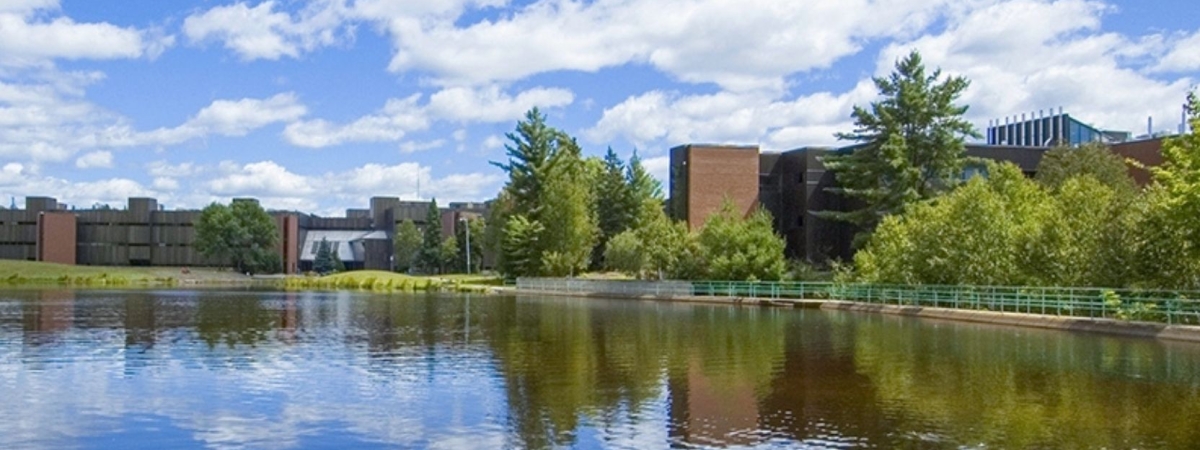
The Student Intervention Specialist (SIS) does not provide direct crisis support to students. If you are a student in urgent need of support please click 24-Hour Supports.
What is a Student Intervention Specialist (SIS)
A Student Intervention Specialist (SIS) takes a leadership role in building the University’s capacity to identify and support students who may be experiencing complex mental health concerns. The specialist serves as a resource and a role model in strengthening the capacity of all University employees to respond quickly and effectively to students who may be displaying disruptive behaviour or are experiencing mental health concerns.
The specialist develops, implements and oversees a series of initiatives designed to enhance resources for faculty, staff and students regarding mental health. This includes knowledge sharing of current research, relevant strategies and best practices. The specialist develops and presents educational events including workshops and presentations on topics related to mental health.
What Services Does SIS Provide to Students?
Student Intervention Services provides a supportive, non-judgmental, goal-oriented relationship with the student to collaboratively develop a service navigationplan while focusing on the student’s goals and individualized needs.
SIS collaboratively works to offer and maintain programs tailored for students including REAL TALK and NUlistens.
Student Intervention Services also provides training opportunities for students.
Case Management SupportOverview
The Student Intervention Specialists (SIS) provide Case Management Support through Student Development and Services. The focus is on establishing supportive, non-judgmental relationships to help students create personalized plans that address individual goals and needs.
Who Can Benefit?
This referral-based service is designed for students facing mental health challenges or minor conduct issues, as well as those dealing with short-term situational challenges (e.g., returning to classes after hospitalization).
Services Offered by the SIS:
- Individual Meetings: Assess needs and set achievable goals.
- Ongoing Follow-Up: Conduct regular check-ins to track progress.
- Referral Services: Connect students to Academic Advising and local mental health resources.
- Collaborative Planning: Work with other professionals to develop a cohesive support plan.
- Advocacy: Represent student needs within the university.
- Transition Assistance: Provide support during transitions to and from university.
- Care Planning Meetings: Participate in on- or off-campus meetings.
- Faculty and Staff Support: Offer guidance to faculty on supporting students with mental health concerns.
Note: Case Management Support is voluntary and does not include crisis support, counselling, or academic advising.
Getting Connected
Referrals can be made by any Nipissing University staff, faculty members or students concerned about a student’s wellbeing, preferably with the student's knowledge. The SIS will reach out to discuss next steps and schedule an initial appointment.
Initial Appointment
During the first meeting, the SIS will:
- Review Consent and Confidentiality Agreements.
- Discuss any current services being received.
- Explore the type of support needed.
Open communication about needs is essential for effective support.
Supportive Relationship
The SIS aims for a goal-oriented, collaborative approach centred on individual needs. The duration of support is flexible and will depend on specific circumstances. The SIS will discuss any changes in support needs to ensure appropriate assistance is provided.
NUlistens
NUlistens is an outreach and prevention program, delivered in partnership between Mental Health & Wellbeing and the Student Intervention Services. NUlistens is the umbrella brand for the mental health outreach and prevention on Nipissing Campus.
Campus Community: NUlistens works towards fostering a supportive campus culture by implementing passive awareness campaigns and provide access to vetted resources including the supporting students folder.
Students: NUlistens engages students in awareness of services and skill building events that are designed around campus needs. This includes initiatives such as REAL TALK.
REAL TALK
REAL TALK is an initiative developed by Nipissing University’s Mental Health & Wellbeing and Lakers athletics.
The Goal: To better integrate mental health awareness in our athletes' lives while developing relationships between athletes and mental health professionals.
All Lakers athletes will receive the safeTALK suicide prevention and awareness training.
Point Person: Each Nipissing Lakers Varsity team will have a designated athlete as the REAL TALK point person for their team. This point person will be identified to their teammates who are encouraged to connect with them if they are struggling and need to discuss and connect available supports.
Coaches: All coaches will complete a comprehensive 2-day Mental Health First Aid - Adults who Interact with Youth Training. This prepares individuals to provide initial support to someone who may be experiencing a mental health crisis or developing mental health concerns.
By developing relationships we hope to encourage a REAL and safe space that allows for deeper life conversations amongst athletes, coaches and trainers, and Mental Health & Wellbeing.
Workshops and TrainingMental Health & Wellbeing is pleased to offer trainings to students, staff, and community members regarding mental health. These trainings are informative and will build your competencies around mental health concerns. Participants from all programs below will receive a resource book of course content and an official certificate from the developer organization.
- safeTALK
- ASIST
- Small Talk
- Mental Health First Aid
- Looking Forward
Learn more about the workshops and training offered
*If you have a group of ten or more we can arrange a separate training date. Please e-mail us at mhwellbeing@nipissingu.ca.
What Services Does SIS Provide to Faculty and Staff?
Faculty and staff are able to receive training, information on professional development opportunities as well as access to resources through Student Intervention Services.
Student Support Requests are managed by Student Intervention Services, Student Success Coordinator and the Sexual Violence Prevention and Education Coordinator. Allowing faculty and staff to voice concerns about students.
NUlistenersWhat is NUlistens:
NUlistens is a campus wide prevention and awareness program focused on student’s mental and emotional well-being. Our primary goals are to increase understanding of mental and emotional challenges that students may face during their time at University and to increase their knowledge about support services available.
Who is a NUlistener:
An NUlistener is a faculty or staff member who provides supportive non-judgmental listening to a student and will refer them to appropriate services if needed. All NUlisteners will be identified to students by an office sign and by a list on our website.
Listeners must attend a 1.5 hour in-person orientation session hosted by the NUlistens team. The session will review best practices for supporting a student in distress, where to refer for specific student needs, and what additional support/training is available for NUlisteners.
Training and PDThe NUlistens team is pleased to offer training to students, staff, and community members regarding mental health.
Supporting Students Folder -
Employment Posting:
Director, Human Rights & EquityEmployment Posting
