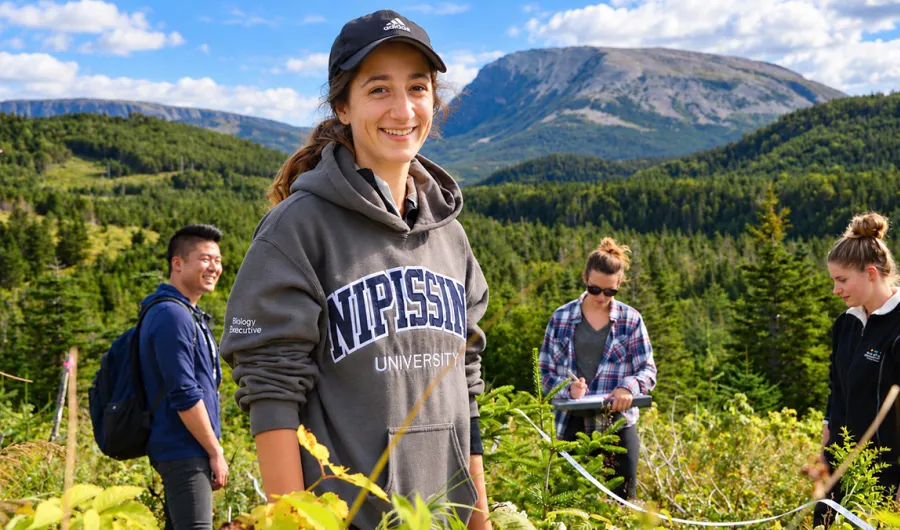
About the Plant Ecology Research Laboratory
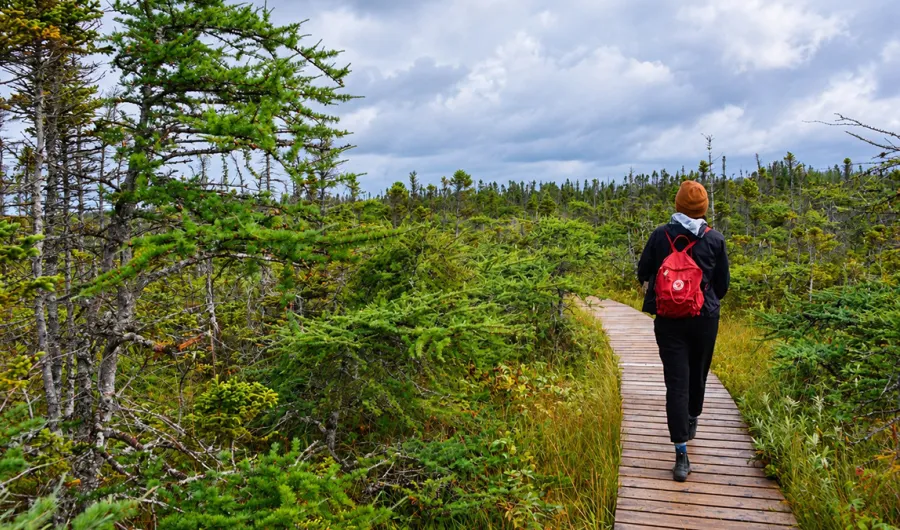
The Plant Ecology Research Lab (PERL) investigates the ecological processes that regulate forest regeneration and long-term ecosystem resilience. Our research examines how physical and biotic stressors interact to constrain or redirect forest renewal across temperate and boreal landscapes. A central focus is understanding how chronic disturbances affect growth trajectories, resource allocation, and survival of tree seedlings and saplings. By integrating field experiments, chemical analyses, dendrochronology, and stand-level assessments, PERL seeks to identify the mechanisms that determine whether forests recover, transform, or experience persistent regeneration bottlenecks.
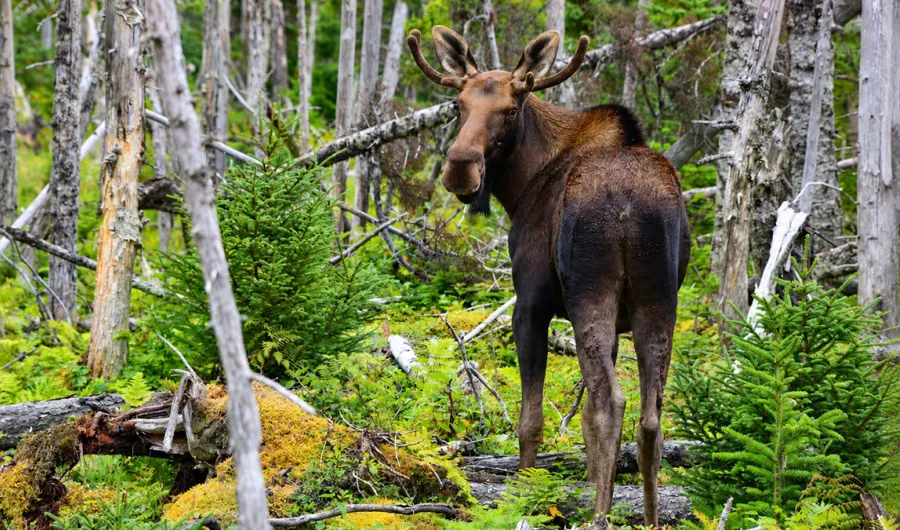
Current research examines how high ungulate browsing pressure influences forest structure and composition, with particular emphasis on balsam fir regeneration in heavily browsed ecosystems. We investigate growth–defense trade-offs, plant chemical and structural resistance traits, and the ecological feedbacks that emerge when browsing exceeds regenerative capacity. By linking plant physiology and defense chemistry to stand-level outcomes, our research helps explain how selective herbivory can redirect forest succession and influence long-term ecosystem resilience.
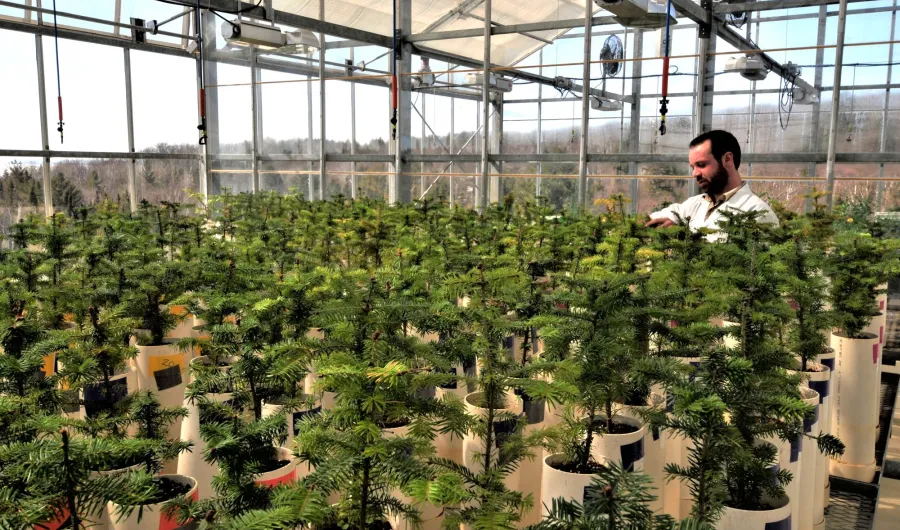
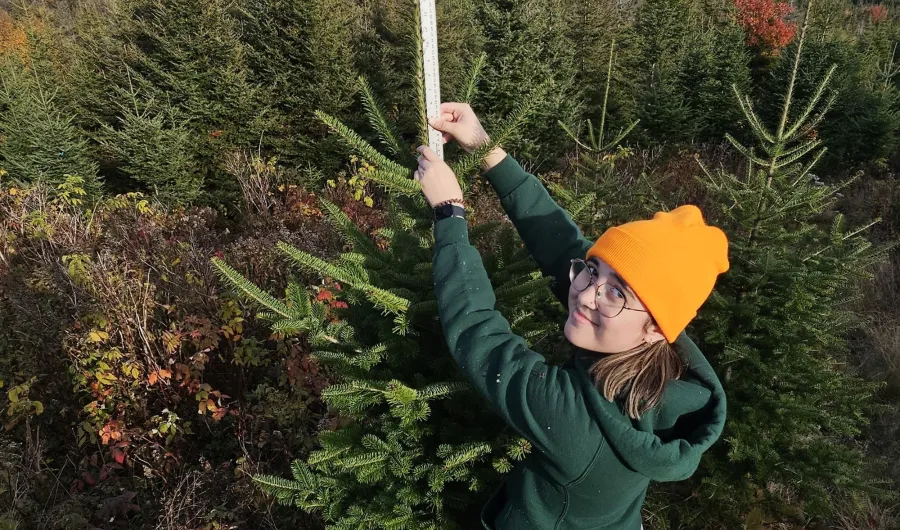
PERL research is supported by laboratory and greenhouse facilities at Nipissing University. Researchers have access to programmable greenhouse environments that allow controlled manipulation of light, temperature, and moisture conditions for seedling experiments. PERL is equipped to measure growth responses to disturbance across all stages of tree development, from controlled seedling trials to field-based assessments of saplings and mature trees.
Researchers also have access to Nipissing University's Central Analytical Facility for chemical and structural analyses of water, soil, and plant tissues. This includes sample preparation and processing for plant secondary metabolites, fiber chemistry, nutrient assays, and related ecological measurements. Together, these resources support the integration of controlled experiments with field-based studies across multiple spatial and environmental scales.